Concrete pumping in Singapore is rarely a single, isolated operation. A project may begin with deep foundations, move into basement slabs and retaining walls, then progress through columns, beams, elevated floors, and external structures. At each stage, the concrete route changes. Access that is available during excavation may disappear once the structural frame rises, while the pumping distance can increase as placement moves upward. Singapore’s compact construction sites make this progression particularly important because equipment positioning, traffic access, crane operations, material storage, and worker movement often compete for the same limited space. Contractors therefore plan pumping around the construction sequence rather than selecting one arrangement and leaving it unchanged throughout the project.
The central consideration is continuity. Concrete must arrive at the right location, at a workable rate, and within the planned pouring window. A pumping system that suits a foundation pour may not be appropriate for upper-floor construction. Likewise, a highly mobile arrangement can be useful during early works but unnecessary once a project enters repetitive structural cycles. By linking concrete pump for sale selection with project stages, contractors can adjust equipment footprint, pipeline layout, pumping distance, and operating capacity as the site evolves.
Foundation and Basement Works Require Flexible Pump Positioning
Early Excavation Creates Both Space and Access Challenges
During foundation construction, the site may have relatively open ground, but deep excavations, temporary retaining systems, ramps, and soil stockpiles can complicate concrete delivery. The pump often has to remain outside the excavation while a pipeline extends into the working area. Contractors therefore assess the excavation geometry before deciding where the pumping unit and delivery vehicle should stand.
Pipeline Layout Should Follow the Excavation Geometry
A concrete pump singapore solution for foundation work should be considered according to actual horizontal distance, vertical changes, bends, and placement points. A straight pipeline is generally easier to manage than a route with numerous sharp changes in direction. The crew also needs sufficient access for inspection, cleaning, and adjustment during the pour.
Deep Foundations May Require Controlled Concrete Placement
Large footings, pile caps, and basement structures can require substantial concrete volumes over a defined pouring period. The pumping system should therefore provide a consistent flow while allowing workers to distribute and consolidate concrete progressively. The objective is not simply maximum pump output, but a stable relationship between concrete supply, pumping rate, and placement capacity.
Structural Framing Changes the Pumping Route
Rising Floors Increase Vertical Pumping Requirements
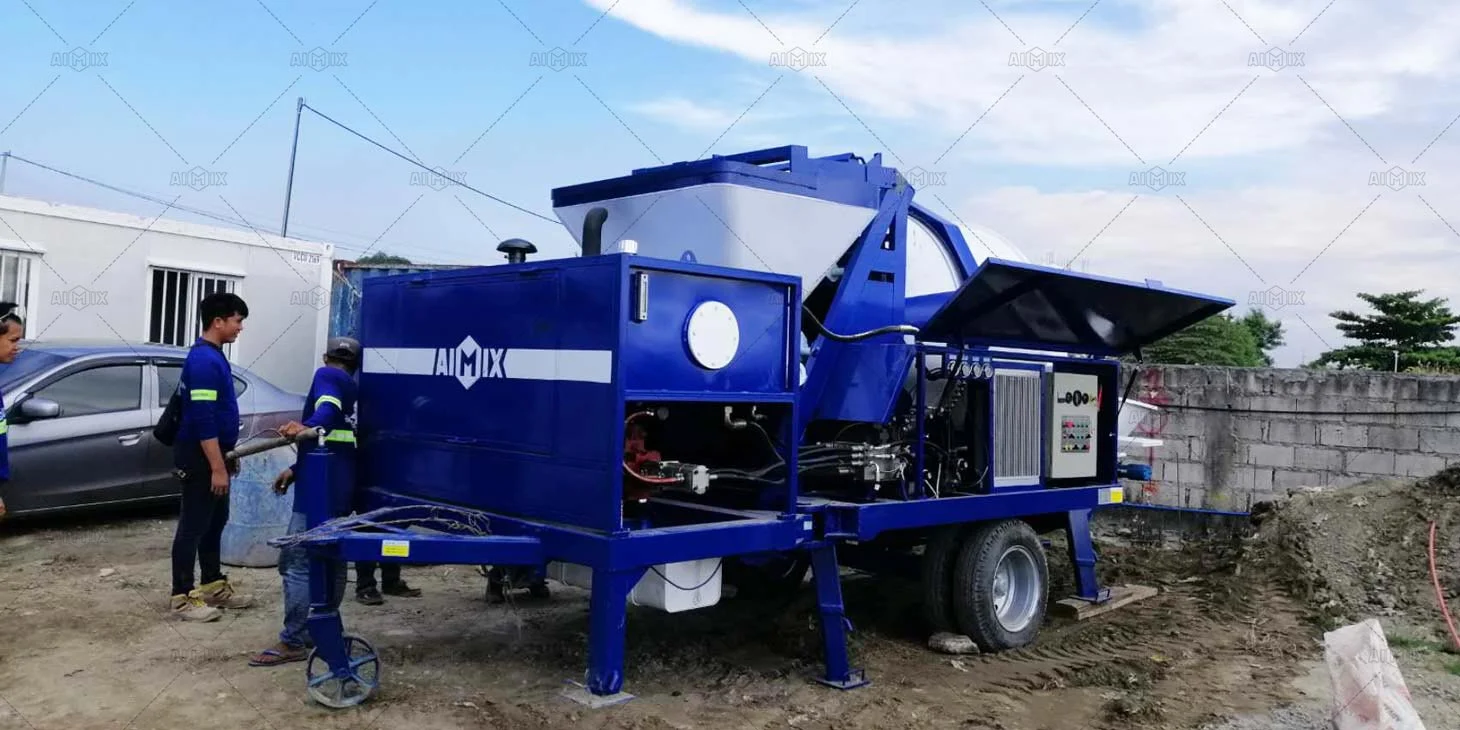
As the structural frame rises, the concrete delivery point moves farther from ground level. Columns and walls may initially be poured from accessible ground positions, but upper-floor slabs require a vertical and horizontal pipeline arrangement. A stationary concrete pump singapore configuration can be considered when pumping remains concentrated around a fixed construction zone and the project requires a dependable high-pressure concrete supply.
Pipeline Planning Becomes Part of Structural Workflow
Vertical pipelines must be secured appropriately and coordinated with scaffolding, formwork, reinforcement, lifting operations, and other temporary works. The route should also allow sections to be extended or repositioned as the building rises. Poorly planned pipe routing can create unnecessary bends and interfere with other site activities, turning concrete placement into a logistical constraint rather than a routine operation.
Repeated Floor Cycles Favor Repeatable Pumping Arrangements
High-rise construction often follows a repetitive sequence: reinforcement, formwork, concrete placement, curing, and progression to the next level. Once the pumping route is established, contractors can standardize hose positioning, pipe extensions, cleaning procedures, and communication between the pump operator and placing crew. This repeatability can make each subsequent pour more predictable.
External and Restricted Areas Require Greater Mobility
Small Pouring Zones Can Limit Equipment Footprint
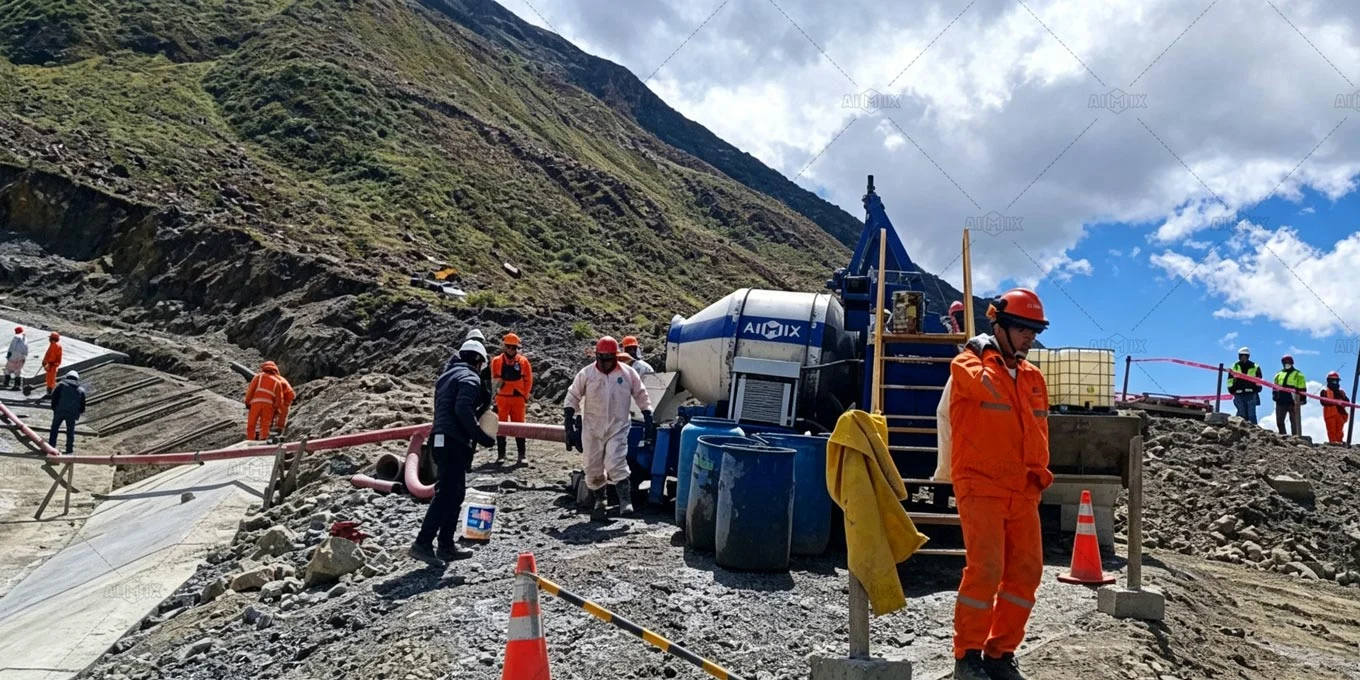
Not every concrete operation occurs within the main structural frame. Contractors may later construct drains, retaining structures, pavements, utility structures, plant rooms, or smaller foundations in peripheral areas. These locations may have limited access because the main building already occupies much of the site. A portable concrete pump singapore arrangement can be useful where pumping equipment needs to move between several work areas rather than remain dedicated to one fixed position.
Smaller Pumps Can Match Intermittent Concrete Demand
Small-volume works do not necessarily justify the same pumping arrangement used for major structural pours. A small concrete pump singapore can be considered when the concrete volume is limited, access is constrained, and the pumping distance is relatively manageable. Contractors should still verify required output, pressure, aggregate size, pipeline diameter, and concrete workability before deployment.
Relocation Should Be Planned Between Construction Stages
Equipment movement becomes increasingly important as the site footprint changes. A pump may need to move because of tower cranes, completed slabs, temporary roads, material storage, or newly installed structures. Contractors can reduce disruption by identifying likely relocation points before the next construction stage begins rather than moving equipment reactively during active concrete work.
Match Pumping Capacity With the Construction Schedule
Large Pours Need Coordinated Concrete Supply
A pump cannot maintain continuous placement if concrete delivery is irregular. For large slabs, raft foundations, or major structural elements, contractors coordinate truck arrival intervals, discharge positions, pumping capacity, and the number of placing crews. The pumping rate should correspond with the rate at which concrete can actually be spread, compacted, and finished.
Smaller Pours Require Different Operational Priorities
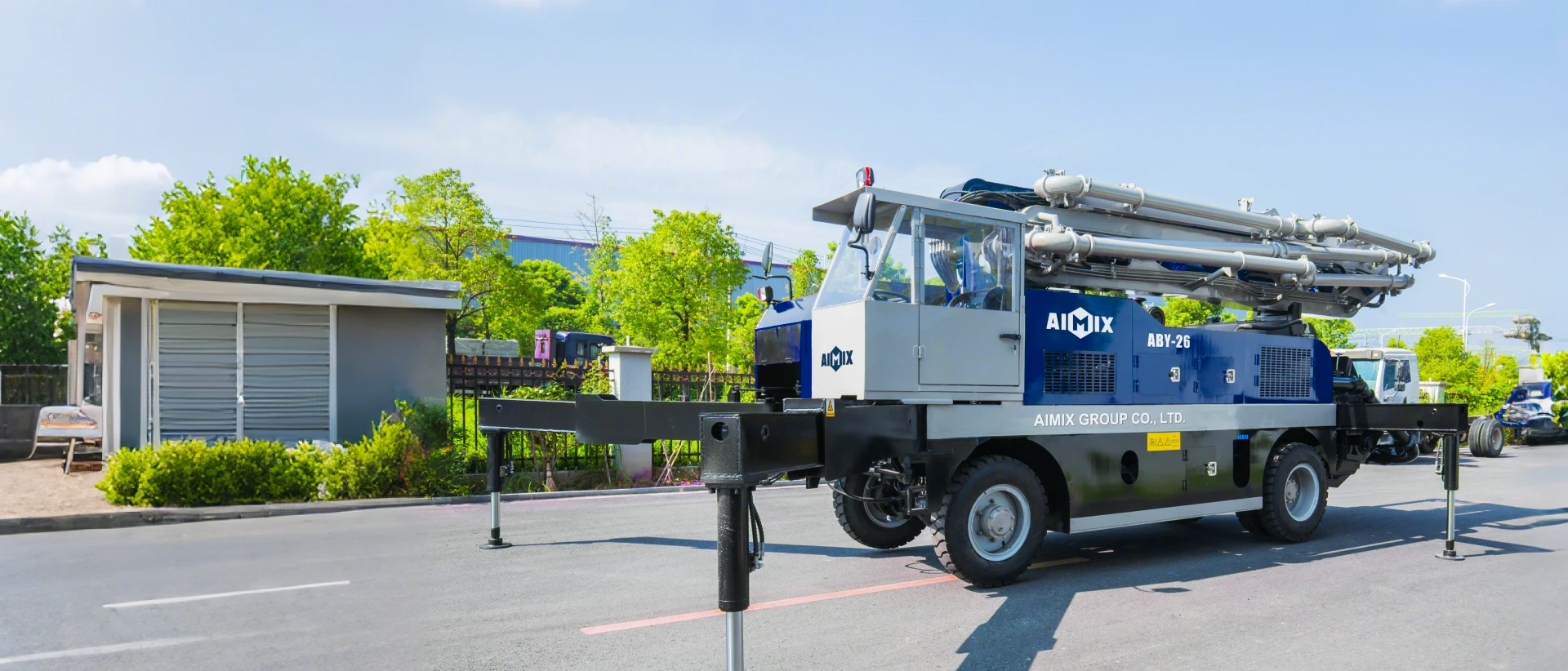
For small foundations or localized structural works, excessive pumping capacity may provide little practical benefit if the concrete supply itself is limited. The emphasis can instead shift toward compact equipment, rapid setup, simple pipeline arrangements, and easy relocation. This is particularly relevant on dense Singapore sites where every square metre of working space has a defined function.
Cleaning and Maintenance Should Be Included in Stage Planning
Concrete pumping does not end when the final section is placed. Pipeline cleaning, residual concrete management, inspection, and mini concrete pump equipment maintenance need to fit within the construction schedule. Planning these activities between stages helps prevent the next concrete operation from being delayed by equipment preparation or an incomplete pumping route.
Singapore contractors therefore treat concrete pumping as an evolving site system rather than a fixed equipment decision. Foundation works may emphasize reach into excavations, structural framing may require stable vertical pipelines, and external works may prioritize mobility and compactness. By reviewing access, pumping distance, concrete volume, equipment footprint, and construction sequence at each stage, contractors can build a concrete delivery workflow that remains aligned with the changing geometry of the project.