Buying a batching plant involves more than comparing equipment quotations. The total investment depends on production capacity, configuration, installation requirements, transportation distance, and site preparation. When evaluating concrete batching plant price, contractors should calculate the costs of getting the equipment operational, not just the amount paid to the supplier. A detailed cost breakdown helps buyers compare solutions accurately, avoid unexpected expenses, and choose a plant that fits their project schedule and production targets.
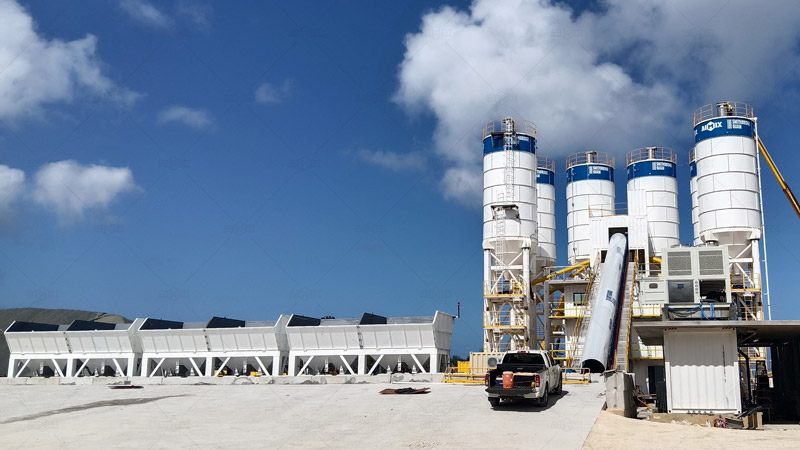
What Determines Concrete Batching Plant Price?
The purchase price of a batching plant varies according to its production capacity, automation level, mixing technology, and configuration. A basic installation for a small construction project will generally require a different budget from a high-output plant supplying several commercial projects.
Production Capacity and Equipment Configuration
Capacity affects the number and size of aggregate bins, cement silos, weighing systems, conveyors, and other components. Buyers should distinguish between theoretical output and the production rate achievable under actual working conditions. Concrete mix design, loading efficiency, cycle time, and material availability can all affect real output.
Automation also influences the initial investment. A plant with an advanced control system may require a higher upfront budget but can improve batching accuracy, reduce manual intervention, and simplify production records. When comparing concrete batching plant price(planta dosificadora de concreto precio) quotations, check whether the listed configuration includes all essential equipment or excludes items that must be purchased separately.
Mixing Technology and Optional Components
Twin-shaft mixers are commonly selected for commercial concrete production because of their intensive mixing performance. Other configurations may be appropriate for specific production requirements. Additional equipment, such as moisture sensors, aggregate storage systems, dust collectors, and cement silos, can increase the total purchase cost while addressing operational needs.
Equipment Costs for Different Plant Types
The right configuration depends on where concrete will be produced, how much is needed, and whether the plant will remain in one location or move between projects.
| Plant Type | Typical Application | Main Cost Considerations |
|---|---|---|
| Stationary batching plant | Long-term commercial production | Foundations, permanent utilities, silos, and conveying systems |
| Mobile concrete plant | Temporary projects and multiple job sites | Transport configuration, assembly, and relocation |
| Compact batching plant | Small to medium construction projects | Available space, output requirements, and component integration |
| Ready-mix concrete plant | Supplying multiple construction sites | Production capacity, storage, dispatch, and delivery logistics |
Choosing a Ready-Mix Concrete Plant
A ready-mix concrete plant(planta de hormigón elaborado) must support the required daily production volume and delivery schedule. Its budget may include aggregate storage, cement silos, batching controls, truck-loading arrangements, and supporting infrastructure. Buyers should also account for the distance between the plant and construction sites because transportation can affect delivery costs and concrete workability.
For commercial suppliers, insufficient production capacity can create delivery delays, while excessive capacity may leave expensive equipment underutilized. Matching the plant configuration to realistic demand is therefore an important part of investment planning.
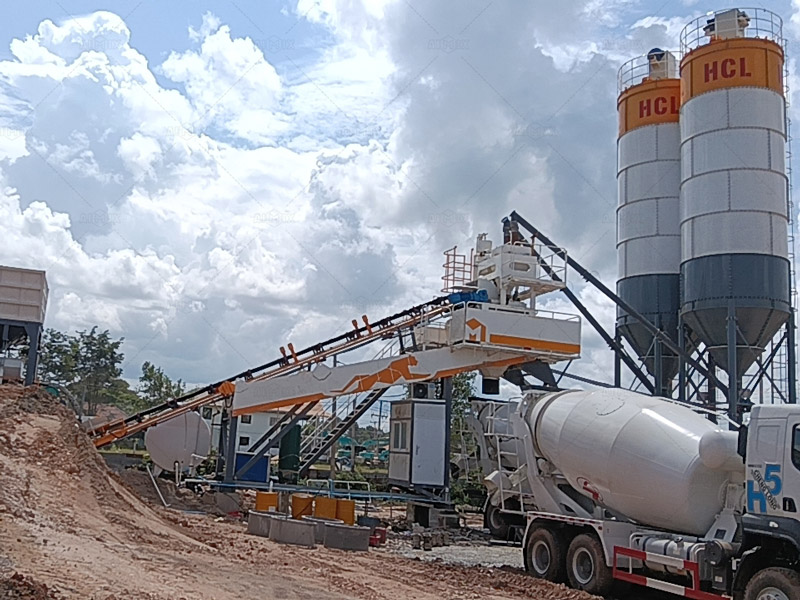
Installation and Site Preparation Costs
Installation expenses depend on the equipment design, ground conditions, utility access, and amount of assembly required. These costs should be confirmed before ordering because site-related work is not always included in the supplier’s equipment quotation.
Foundation and Civil Works
Stationary installations may require reinforced concrete foundations, anchor bolts, drainage systems, and designated areas for aggregate storage and cement silos. Foundation specifications should follow the manufacturer’s drawings and account for soil bearing capacity, structural loads, and local engineering requirements.
Some modular or mobile configurations can reduce permanent civil works, but they still require suitable ground conditions, stable support, and safe operating space. Buyers should confirm the actual foundation requirements rather than assuming that every mobile system can operate without site preparation.
Electrical Systems and Commissioning
Installation budgets may also include power connections, control cabinets, cables, compressed-air systems, grounding, and commissioning. Additional expenses can arise when a site requires a generator, transformer, longer cable runs, or upgrades to existing electrical infrastructure.
Before delivery, confirm who is responsible for mechanical assembly, electrical connections, test runs, operator training, and acceptance testing. Clear responsibilities reduce the risk of delays after the equipment arrives.
Transportation Costs and Shipping Considerations
Transport expenses depend on equipment dimensions, total shipment weight, loading arrangements, shipping distance, and the delivery terms agreed with the supplier. A plant divided into standard shipping containers may be easier to transport than an oversized configuration, although the final shipping cost depends on the actual packing plan and destination.
Shipping a Mobile Concrete Plant
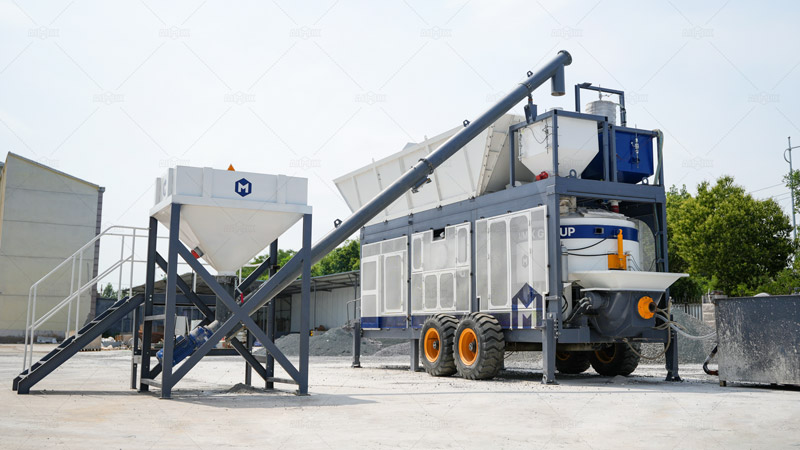
A mobile concrete plant(planta de concreto móvil) is designed to simplify relocation, but mobility does not eliminate transportation expenses. Buyers should verify the number and type of containers or trucks required, whether components can be shipped in standard containers, and what lifting equipment is needed at the destination.
For projects involving several locations, compare the initial transport cost with the expected cost of future relocation. Quick assembly and disassembly can improve project flexibility, but only if the equipment configuration and local transport conditions support efficient movement.
Import Duties and Destination Charges
International purchases may involve ocean freight, marine insurance, customs clearance, import duties, port handling, inland transportation, and storage charges. The final amount depends on the destination country, applicable regulations, and agreed Incoterms.
Request a written quotation that identifies the shipping scope and any excluded charges. For example, a price quoted on an FOB basis does not cover all costs associated with delivering and installing equipment at the buyer’s site. Comparing quotations on the same delivery basis provides a more reliable assessment of the total investment.
Budgeting for Concrete Plants in Chile
For buyers evaluating concrete plants in Chile, project location can significantly influence the final budget. Deliveries to remote mining areas or construction sites in the Andes may involve longer inland transport routes, difficult access roads, altitude-related operating considerations, and additional logistical planning.
Coastal projects may have different shipping and port-handling requirements from inland installations. Buyers should assess access for heavy vehicles, local foundation conditions, available electrical power, and the distance between the plant and concrete demand. They should also verify applicable import requirements and local construction regulations before confirming the purchase.
For concrete plants in Chile(plantas de hormigón en Chile), requesting a quotation based on the exact delivery location is more useful than relying on a general equipment price. Providing the required hourly output, project duration, preferred configuration, and site conditions allows suppliers to prepare a more complete cost estimate.
Calculate the Total Investment Before Ordering
A practical budget should separate the equipment purchase price from installation, transportation, and operating expenses. Include initial spare parts, operator training, commissioning, and any site upgrades that are necessary before production begins. It is also useful to reserve a contingency allowance for unforeseen logistical or construction costs.
Before placing an order, ask the supplier to provide an itemized quotation, equipment list, shipping dimensions, foundation drawings, installation scope, and estimated delivery schedule. Compare the complete project cost rather than focusing on the lowest equipment quotation. By evaluating production needs, site conditions, shipping arrangements, and installation responsibilities together, buyers can select a batching plant that meets operational requirements while keeping the overall investment under control.