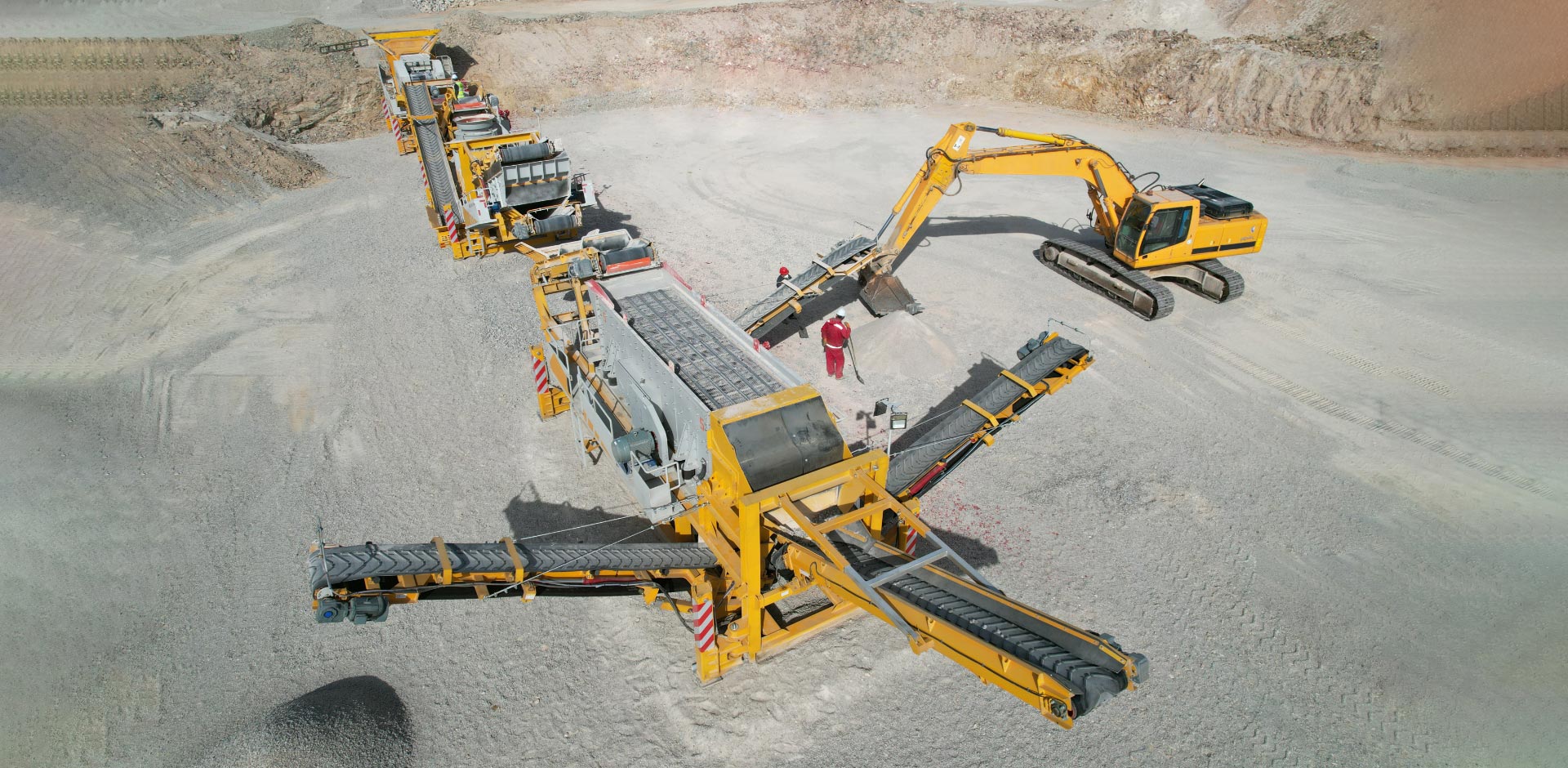
A mobile crusher plant for sale can become more valuable when a contractor or quarry operator has several sites instead of one permanent quarry. Rather than building a dedicated crushing plant at every location, one mobile system can be relocated as reserves are exhausted, contracts change, or new aggregate demand appears. However, using one plant across several projects only makes economic sense when its crushing capacity, mobility, product requirements, transport conditions, and relocation time match the projects it will serve.
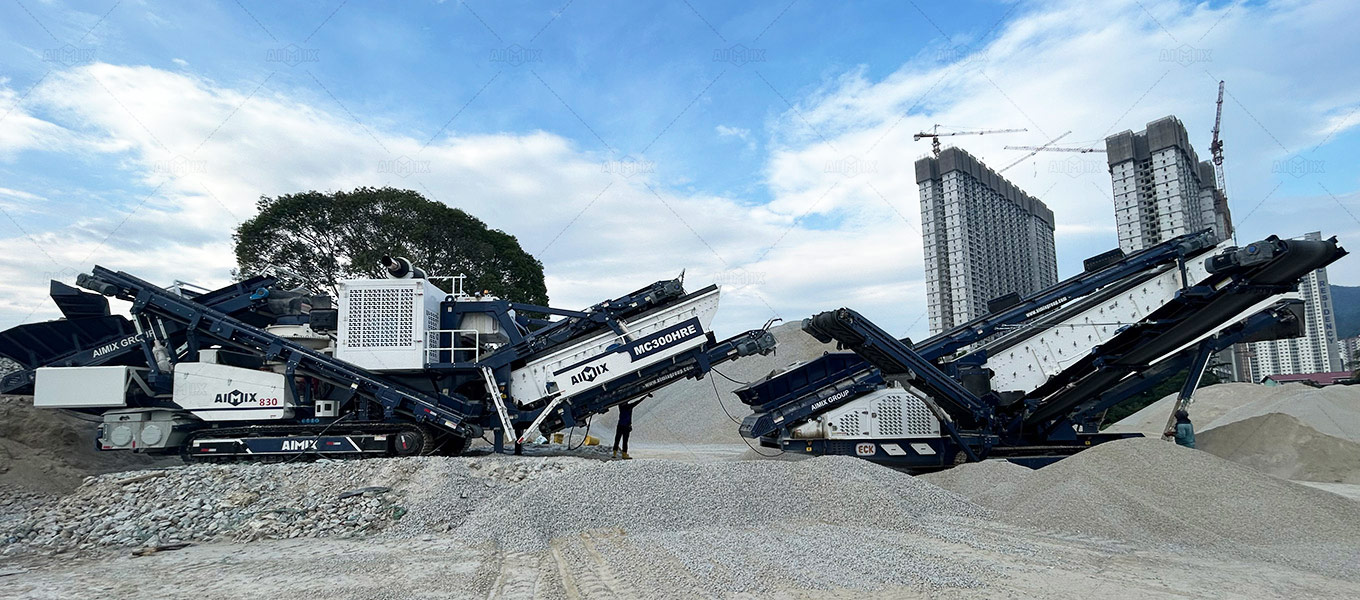
Why One Mobile Plant Can Serve Several Quarry Sites
Stationary crushing plants are normally designed around a fixed material source and long-term production. Once installed, moving them to another quarry can require dismantling conveyors, removing foundations, arranging heavy transport, and rebuilding the circuit. This makes relocation expensive and time-consuming.
A mobile crusher changes that relationship between the equipment and the quarry. The crushing system can be moved closer to a new working face or transported to another project when the current site no longer justifies continuous production. For contractors handling road construction, infrastructure projects, or multiple aggregate sources, this flexibility can increase annual equipment utilization.
For example, a contractor may operate one quarry during the first part of the year, process material for a highway project later, and then move to another aggregate source. Instead of purchasing three complete crushing systems, one appropriately configured mobile plant may serve all three locations.
The First Question Is Not Capacity but Compatibility
Using one plant across several sites does not mean every quarry should have exactly the same configuration. The important question is whether the equipment can handle the range of materials and production requirements expected across the projects.
Consider three sites: one produces limestone for road base, another supplies harder granite for concrete aggregate, and a third processes river stone for general construction. Their feed sizes, hardness, abrasiveness, moisture conditions, and final product requirements may differ significantly.
A plant selected only for the highest-capacity requirement may be unnecessarily expensive for smaller projects. On the other hand, a system optimized for soft limestone may not deliver satisfactory operating costs when moved to highly abrasive granite. The best multi-site strategy therefore starts by identifying the common requirements between projects and the differences that could affect equipment selection.
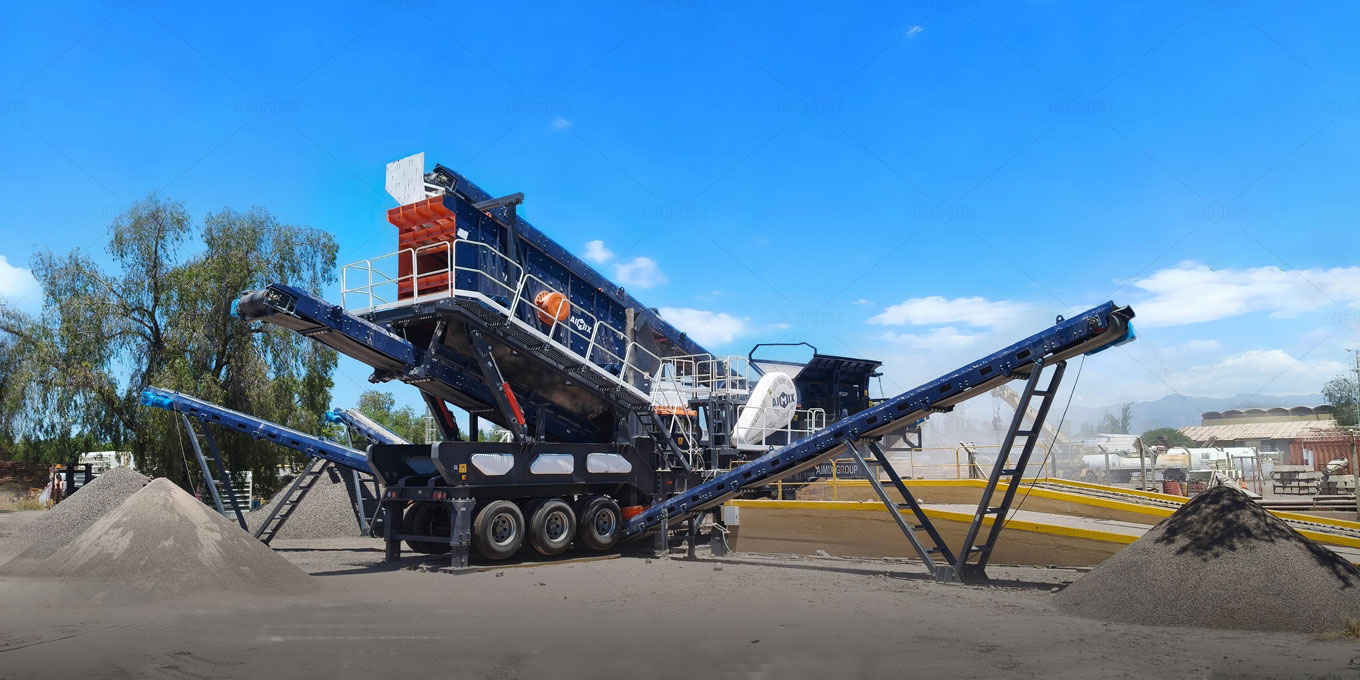
Wheeled Mobility Works Well for Frequent Relocation
When a crushing plant needs to move relatively frequently between accessible sites, a wheeled configuration can provide practical advantages. It can be transported using conventional road logistics and typically requires less site preparation than a permanent plant.
A 4 in 1 wheeled mobile crusher plant can be considered when a project needs several crushing and screening functions within one mobile system. The integrated configuration can reduce the amount of separate equipment that needs to be transported and assembled at each location.
This type of setup can be particularly useful for contractors who need a flexible production unit rather than a plant dedicated to one quarry. However, integration should still be justified by the actual product requirements. If a project only needs primary crushing, carrying additional processing equipment from site to site may add unnecessary transport and maintenance costs.
Tracked Crushing Makes Sense When the Quarry Keeps Changing
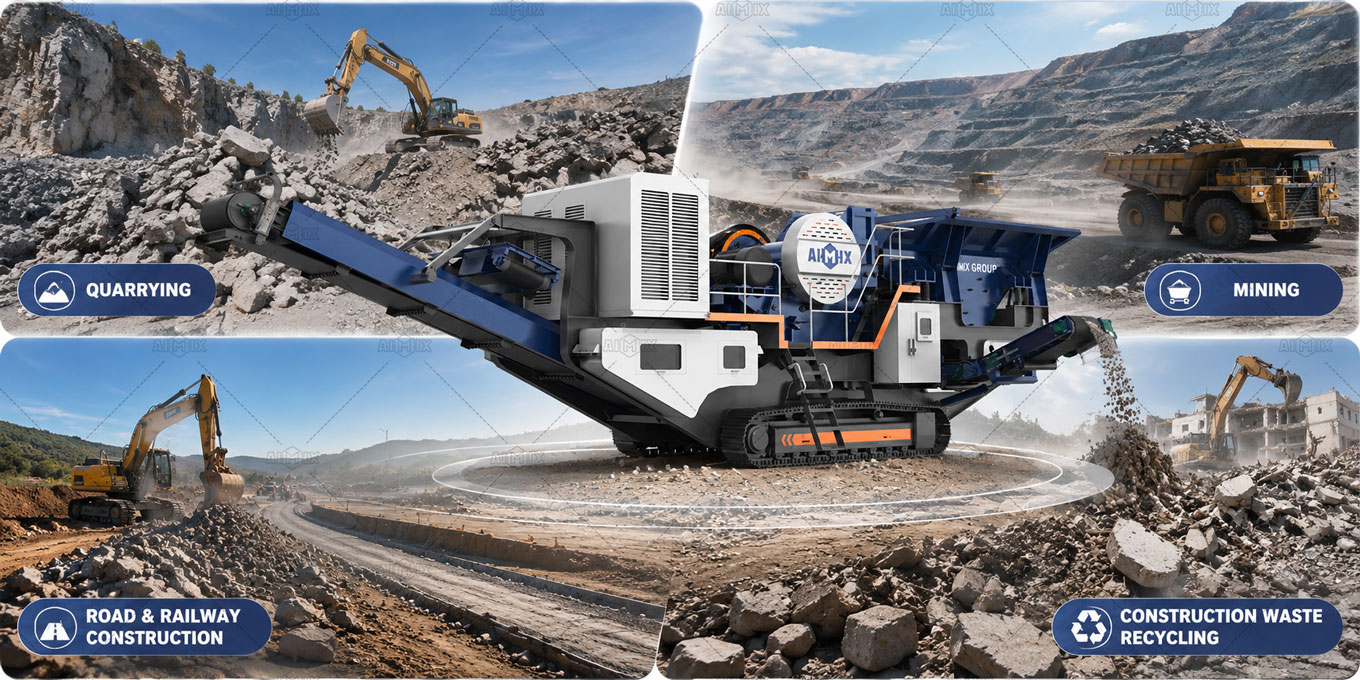
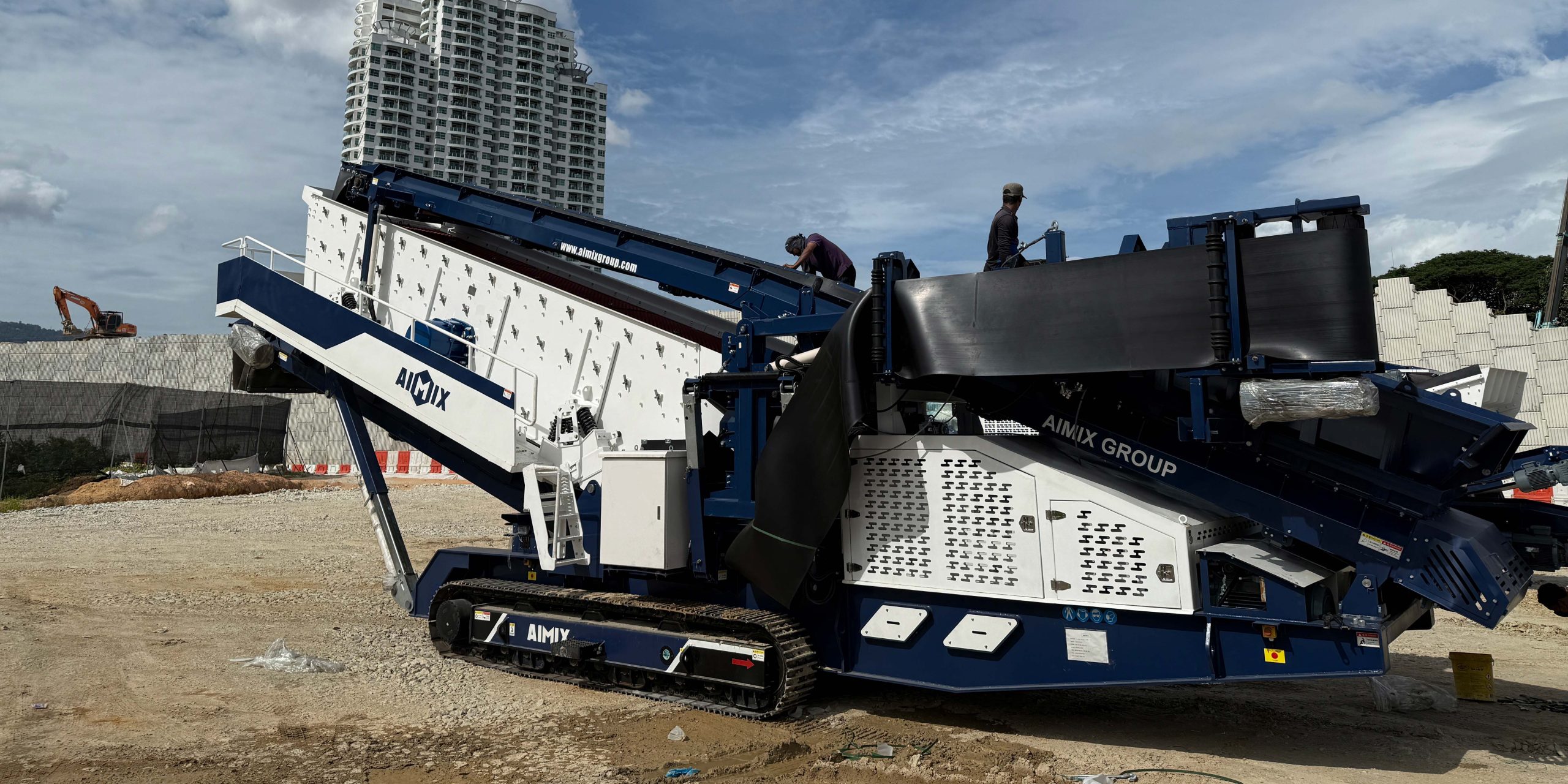
A 2 in 1 tracked jaw crusher plant provides another approach for multi-site operations. The combination of primary jaw crushing and tracked mobility can be useful when the raw material is relatively large and the crushing location changes as excavation progresses.
Tracked equipment does not depend on a fixed foundation in the same way as a stationary plant. The machine can move around the quarry using its crawler chassis, reducing the need to repeatedly haul raw material from distant working faces to a fixed crusher.
A track crusher can therefore be especially valuable in mountainous quarries, road projects, and remote sites where terrain or limited infrastructure makes fixed equipment difficult to relocate. The economic benefit comes not simply from being able to move, but from reducing unnecessary material movement and keeping the crusher closer to the extraction point.
One Plant Does Not Mean One Identical Process
A multi-site crushing strategy becomes more complicated when different projects require different aggregate sizes. One quarry may sell 20–40 mm stone, while another needs 5–20 mm and manufactured sand. The crushing plant must therefore be capable of adapting its settings, screening arrangement, and material flow to different product specifications.
Screening is particularly important. A crusher may be capable of handling the feed from several quarries, but that does not mean the same screen configuration will produce the required products everywhere. Some projects may need a separate mobile screening station, while others can use an integrated crushing and screening arrangement.
The objective should be to maintain a practical balance between mobility and processing capability. Adding every possible function makes the plant more versatile on paper but can increase transport weight, maintenance requirements, and investment.
Relocation Time Becomes Part of Production Cost
When one mobile crusher serves multiple sites, relocation should be included in the business calculation. Every move can involve transport, site preparation, setup, commissioning, and lost production time.
If a plant moves once every two years, these costs may have little influence on overall economics. If it moves every few months, even a small reduction in relocation time can significantly improve annual utilization. This is why transport dimensions, chassis design, access roads, setup requirements, and local regulations should be evaluated alongside crushing capacity.
The calculation should focus on annual saleable production rather than the number of projects served. A plant operating at high utilization across three sites can be more profitable than three underutilized stationary plants, but frequent relocation that interrupts production can reverse that advantage.
Build a Multi-Site Strategy Around the Common Denominator
The most practical way to select one mobile crusher for several quarries is to identify the requirements shared by most projects first. These may include a common feed size range, similar aggregate specifications, comparable production rates, or similar site access conditions.
Then identify the exceptions. If one quarry has significantly harder rock or requires a completely different product mix, it may be more economical to use additional supporting equipment or a different crushing configuration rather than forcing one mobile plant to handle everything.
Ultimately, a mobile crusher plant for sale can serve several quarry sites successfully when mobility is matched with realistic production planning. Wheeled systems can suit frequent road transportation and integrated processing, while a track crusher can provide greater flexibility within difficult or changing quarry sites. The right solution is not the machine that can theoretically work everywhere, but the one that can move efficiently, process the relevant materials, and remain productive enough to justify its use across multiple projects.