Long-distance road construction in Kazakhstan creates a special challenge for asphalt production. A project may cover hundreds of kilometers. Material sources may sit far from the paving site. Weather can also change sharply between regions. Therefore, choosing an asphalt plant is not only about production capacity. Contractors also need to consider haul distance, paving speed, aggregate supply, fuel use, plant mobility, and daily asphalt demand.
A 120 TPH asphalt plant can be a strong choice for many long-distance road projects in Kazakhstan. However, it is not automatically the right choice for every project. The key is to match the plant output with the paving schedule, haul distance, project length, and number of active paving sections. This article explains when a 120 TPH plant makes sense and when a larger or mobile solution may work better.
For contractors searching for a reliable aggregate asphalt plant near me, the location of the production facility should be considered together with plant capacity. An asphalt plant with sufficient output can still create problems if trucks need too much time to reach the paving front.
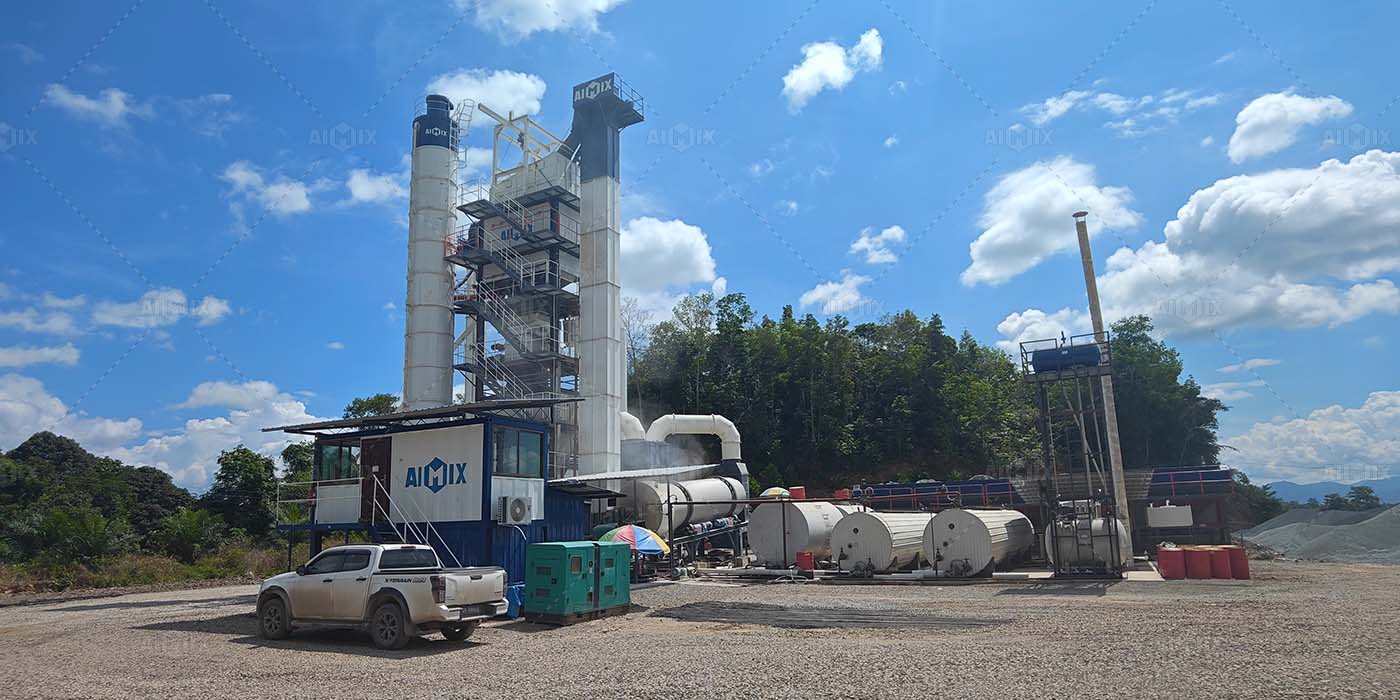
Why Asphalt Plant Capacity Matters On Long-Distance Projects
Before choosing a 120 TPH asphalt plant, contractors should first understand how plant capacity affects the entire paving operation. The asphalt plant is only one part of the production chain. Its output must work with aggregate crushing, trucking, pavers, rollers, and the daily construction schedule.
For example, a 120 TPH plant has a theoretical production capacity of 120 tons per hour under suitable operating conditions. If it runs for eight production hours, the theoretical output reaches 960 tons per day.
However, contractors should not use 960 tons as the guaranteed daily production figure. Start-up time, aggregate moisture, fuel conditions, mix changes, maintenance, truck availability, and loading delays can reduce actual output.
A more practical planning approach is to use an operating factor below the theoretical maximum. For example, 70% to 85% utilization would give approximately 672 to 816 tons during an eight-hour production shift.
| Planning Item | Indicative Value | Why It Matters |
|---|---|---|
| Nominal plant capacity | 120 TPH | Defines maximum rated production |
| 8-hour theoretical output | 960 tons | Useful for maximum-capacity planning |
| 70% utilization | 672 tons/day | More conservative project planning |
| 85% utilization | 816 tons/day | Possible with good material and logistics control |
These figures are planning examples rather than production guarantees. Actual performance depends on plant configuration, material properties, moisture, mix design, operating conditions, and site management.
Why 120 TPH Can Fit Kazakhstan’s Road Construction Conditions
Now that the capacity is clear, the next question is whether 120 TPH matches Kazakhstan’s actual roadwork environment. In many cases, the answer is yes.
Suitable For Medium And Large Road Sections
A 120 TPH asphalt plant can supply a steady volume of hot mix for highways, regional roads, bypasses, bridge approaches, and rehabilitation projects. It offers more production capacity than a small asphalt plant without moving directly into the investment and logistics requirements of a very large plant.
This balance can be useful when a contractor works on one main paving front at a time. The plant can keep feeding the paving crew while allowing some production flexibility for maintenance or mix changes.
Good Match For Phased Construction
Long-distance road projects rarely progress at the same speed along their entire length. Earthwork, drainage, aggregate preparation, structures, and asphalt paving may advance in different sections.
Therefore, a contractor may not need a 200 or 300 TPH plant from the first day. A 120 TPH plant can provide a more controlled production level while the project moves through different construction stages.
Furthermore, a contractor can organize production around specific paving sections. This approach reduces unnecessary overcapacity and can make plant utilization easier to manage.
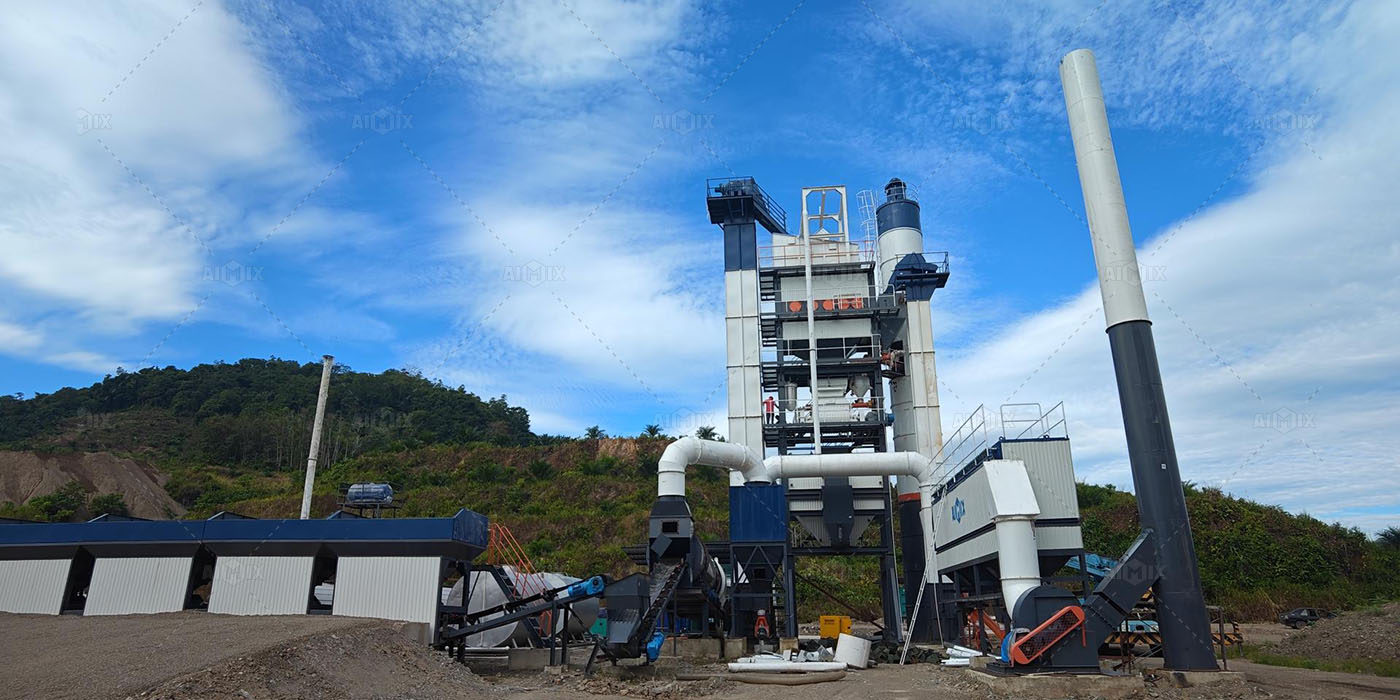
When A 120 TPH Plant Is Especially Practical
The best way to judge a plant is to connect its capacity with the actual project. Several situations make a 120 TPH plant particularly attractive.
1. Projects With Around 500–800 Tons Of Daily Asphalt Demand
If the project requires roughly 500 to 800 tons of asphalt mix per working day, a 120 TPH plant can provide a useful production margin. The contractor does not need to operate at maximum capacity throughout the entire shift.
This margin matters because road construction involves interruptions. A plant that operates below its maximum rate can have more flexibility when trucks arrive late or the paving crew changes its schedule.
2. Projects With One Main Paving Front
A single paving front usually makes capacity planning simpler. The plant can focus on maintaining continuous supply to one paver and its supporting rollers.
In contrast, two or three simultaneous paving fronts may quickly increase asphalt demand. In that situation, 120 TPH may become a bottleneck even if the plant itself works reliably.
3. Regional Roads And Highway Rehabilitation
Not every long road project requires a massive asphalt plant. Rehabilitation projects often work section by section. The contractor may repair a defined section, complete the asphalt layers, and then move to another section.
For this type of workflow, a 120 TPH plant can offer a reasonable balance between output and investment.
Why Long-Distance Hauling Can Change The Calculation
Capacity alone does not determine whether a 120 TPH plant is suitable. In Kazakhstan, haul distance can be equally important.
Hot asphalt mix must normally reach the paving location within the required temperature and quality window. A plant located too far from the paving front can create serious logistics problems.
For example, imagine a plant producing 120 tons per hour. If trucks must travel a long distance between the plant and paving site, the plant may have enough production capacity but still fail to maintain continuous paving.
The problem is not production. The problem is transportation.
Therefore, contractors should calculate the complete cycle time for each asphalt truck. This includes loading, outbound travel, unloading, return travel, traffic delays, and waiting time.
If one truck carries 20 tons and completes one full cycle in two hours, that truck provides an average transport capacity of only about 10 tons per hour. The contractor would need enough trucks to support the plant’s output.
For a 120 TPH plant, transportation planning should therefore be completed before final plant selection.
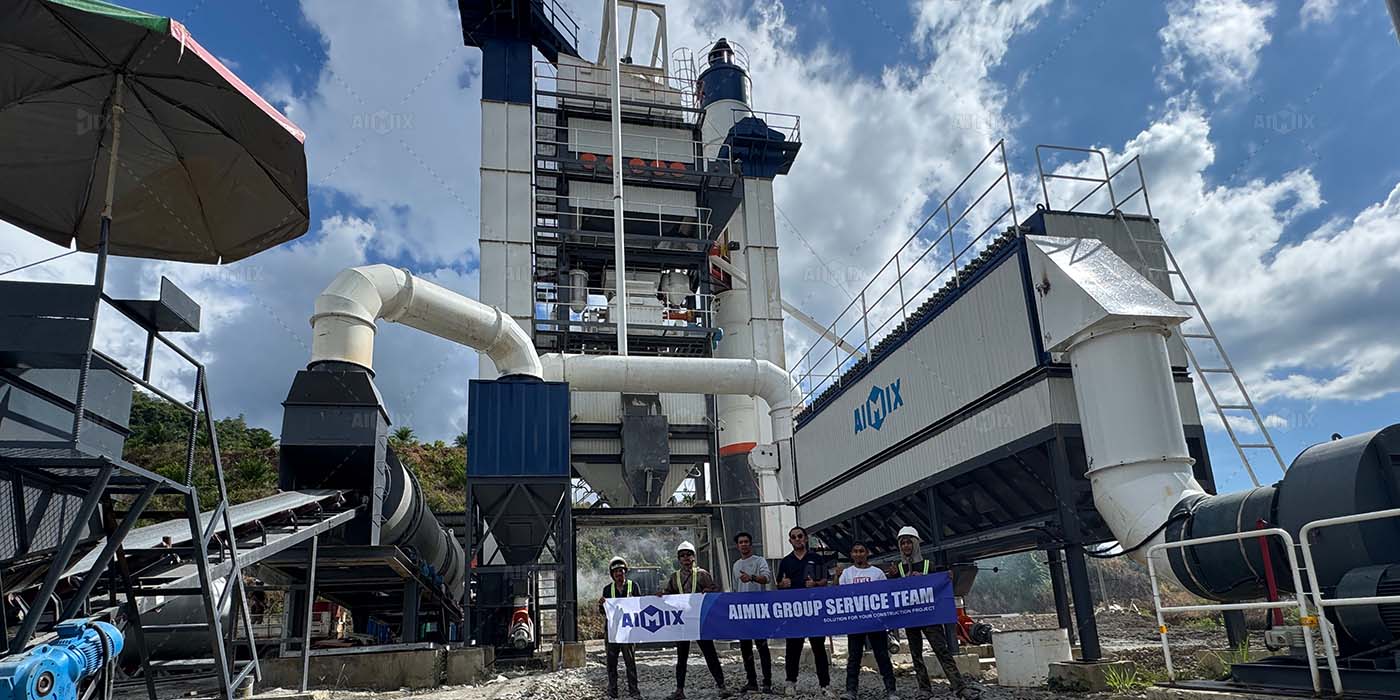
How Kazakhstan’s Climate Affects Asphalt Plant Selection
Logistics are only part of the challenge. Kazakhstan also has diverse and demanding climatic conditions.
Road pavement design in Kazakhstan takes natural and climatic conditions into account. Official technical recommendations address temperature and moisture conditions for road pavement and earthwork design.
For contractors, this means asphalt production should support the project’s approved mix design and temperature requirements. The plant should provide reliable aggregate drying, accurate heating, stable mixing, and controlled asphalt temperature.
Aggregate Moisture Requires Attention
Wet aggregate requires more thermal energy to reach the required temperature. It can also reduce effective production capacity.
This issue becomes more important when local aggregate contains higher moisture after rain or during seasonal changes. A properly sized dryer and burner therefore matter as much as the headline TPH number.
Cold Weather Makes Thermal Control More Important
In colder regions, the contractor must pay close attention to aggregate heating and hot mix temperature management. The plant should maintain stable production instead of producing large temperature fluctuations.
As a result, plant selection should focus on the complete thermal system. A nominal 120 TPH capacity has limited value if the plant cannot maintain stable output under actual site conditions.
What Configuration Should A 120 TPH Plant Have?
Once 120 TPH appears suitable, the next step is to select the right configuration. Capacity should never be considered separately from plant design.
Cold Aggregate Feeding
The cold aggregate system should provide stable and accurate feeding. Multiple aggregate sizes may require separate bins. This allows the plant to maintain the required mix proportions.
Drying And Heating
The dryer should match the intended production rate and local aggregate conditions. Contractors should also consider aggregate moisture when evaluating burner and dryer performance.
Dust Collection
Long-term road projects can generate large production volumes. A reliable dust collection system helps maintain cleaner operation and supports environmental management around the plant site.
Screening And Mixing
For batch production, accurate screening and weighing help maintain mix consistency. This matters when the project requires strict control of aggregate gradation and asphalt content.
For projects that require controlled aggregate screening and accurate hot mix production, an asphalt batch plant for road construction can be considered when the mix design and production workflow favor batch production.
Bitumen Heating And Storage
Bitumen storage capacity should match the project’s delivery schedule. If bitumen supply is irregular, insufficient storage can interrupt asphalt production even when the plant itself has enough capacity.
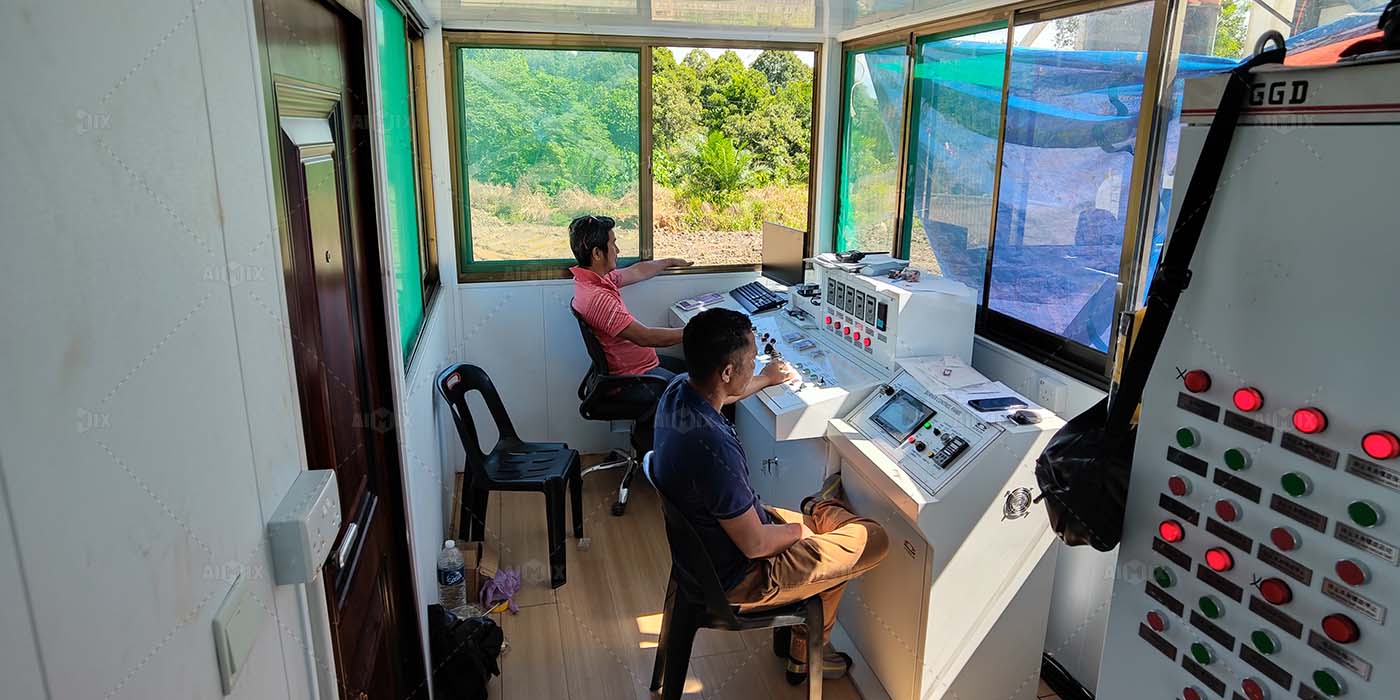
Control System
A reliable control system can help operators monitor production, temperatures, material feeding, and mix parameters. For long projects, operational data also helps identify recurring production problems.
Should You Choose A Stationary Or Mobile 120 TPH Plant?
The answer depends heavily on project geography.
A stationary plant can be attractive when the paving area remains within a relatively stable radius for a long period. It can support continuous production and a fixed aggregate supply system.
However, long-distance projects often move gradually along the road corridor. When the paving front moves far from the plant, trucking costs and delivery time can increase.
In such cases, a mobile asphalt plant can provide greater flexibility. The contractor can relocate production closer to the active construction section when project conditions justify the move.
Therefore, the choice should not be based simply on the phrase “120 TPH asphalt plant.” Contractors should compare the total project logistics of stationary and mobile configurations.
How 120 TPH Asphalt Production Works With The Paving Operation
An asphalt plant can only deliver project value when the paving team can consume its output efficiently. Therefore, plant and paver capacity should be evaluated together.
For example, a 120 TPH plant can supply approximately 2 tons of asphalt per minute at its nominal production rate. The paving operation must have enough truck capacity and paver productivity to keep material moving.
If the paver stops frequently because trucks arrive late, higher plant capacity will not solve the problem. Instead, the contractor should improve dispatching, truck numbers, haul routes, and stockpile planning.
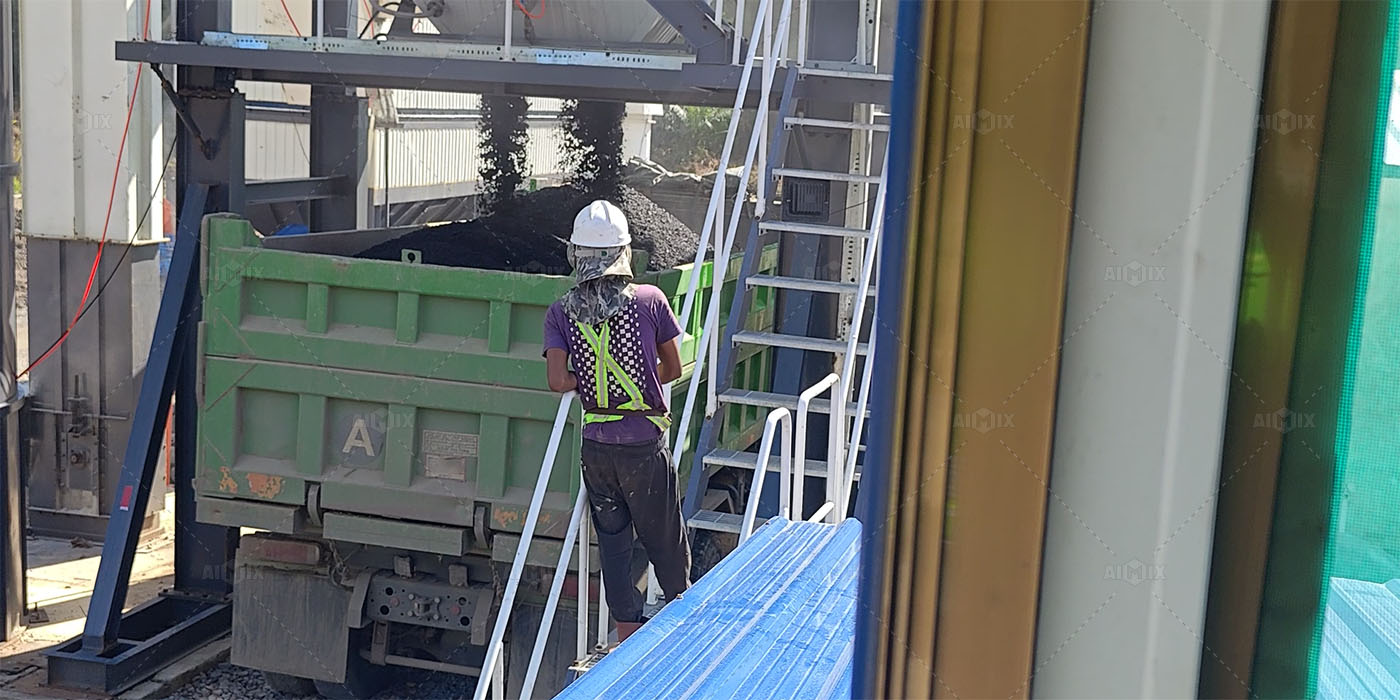
Choosing the best asphalt paver for the project’s paving width, layer thickness, required speed, and working conditions can therefore be just as important as selecting the asphalt plant.
How To Calculate Whether 120 TPH Is Enough
A simple project calculation can provide a useful first screening.
Step 1: Estimate Daily Asphalt Demand
Start with the planned paving area, asphalt layer thickness, material density, and daily paving length. This gives a more realistic estimate than choosing capacity from project length alone.
Step 2: Check Paver Consumption
Next, calculate the paver’s expected asphalt consumption. The plant should supply the paver without creating frequent waiting periods.
Step 3: Calculate Truck Requirements
Estimate truck payload and complete transport cycle time. Then compare total trucking capacity with the plant’s expected hourly output.
Step 4: Check Aggregate And Bitumen Supply
Make sure local quarries, crushers, aggregate stockpiles, and bitumen deliveries can support the planned production rate.
Step 5: Add A Reasonable Production Margin
Finally, leave some capacity for production interruptions and changing site conditions. Running a plant continuously at 100% theoretical output is rarely a sensible long-term planning assumption.
When 120 TPH May Not Be Enough
A 120 TPH plant is not the universal answer. There are clear situations where a larger solution may be more appropriate.
- Multiple paving fronts operate simultaneously.
- Daily asphalt demand consistently exceeds the practical output of the plant.
- The project requires very high paving rates during a short construction season.
- Large highway sections must receive asphalt continuously with minimal production downtime.
- The contractor needs to supply several nearby projects from one production base.
For example, if a project needs more than 1,000 tons of asphalt mix every day and has reliable trucking and paving capacity, a higher-capacity plant may reduce production pressure.
However, bigger is not always better. A 200 or 240 TPH plant can create higher capital, fuel, aggregate handling, and maintenance requirements. If the paving operation cannot consume the additional output, the extra capacity may remain unused.
A 120 TPH Plant Can Be A Balanced Choice
So, is a 120 TPH asphalt plant suitable for Kazakhstan’s long-distance road projects?
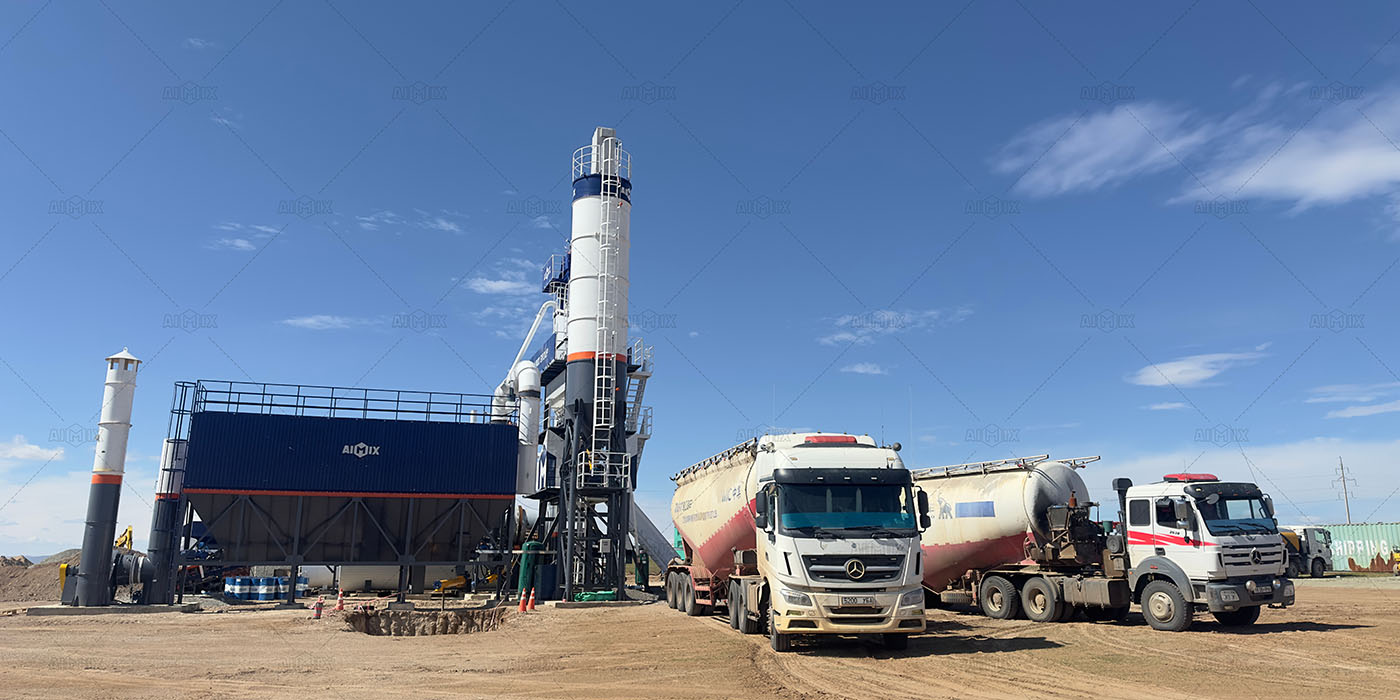
In many cases, yes. It can be a practical middle-capacity solution for road contractors handling one main paving front, phased construction, regional highway work, and medium-to-large asphalt demand.
Its suitability becomes stronger when the contractor has reliable aggregate supply, efficient truck logistics, appropriate bitumen storage, and a well-planned paving schedule.
At the same time, project geography remains critical. Kazakhstan’s long road corridors can make transportation distance a major operating cost. For a moving paving front, a mobile configuration may therefore provide more value than simply increasing plant capacity.
What Should Kazakhstan Contractors Check Before Buying?
Before purchasing a 120 TPH asphalt plant, contractors should ask suppliers for project-specific calculations rather than relying only on a standard quotation.
- What is the expected practical hourly output under the project’s aggregate conditions?
- How much aggregate moisture can the drying system handle?
- What fuel consumption should be expected at the target production rate?
- How much bitumen and filler storage does the project require?
- How many trucks are needed for the planned haul distance?
- Can the plant support the required asphalt mix designs?
- Is a stationary or mobile configuration more suitable for the paving route?
- How quickly can installation, commissioning, and operator training be completed?
- What spare parts and technical support are available during the road construction season?
These questions help shift the buying decision from “How many tons per hour?” to “How efficiently can the complete asphalt production system support my project?”
Final Decision: Match The Plant To The Whole Road Project
A 120 TPH asphalt plant can be suitable for Kazakhstan’s long-distance road projects, but capacity should never be selected in isolation. The right solution depends on daily asphalt demand, paving speed, haul distance, aggregate conditions, climate, project phasing, and future workload.
For a contractor with around 500–800 tons of practical daily demand, one main paving front, and controlled material logistics, a 120 TPH plant can provide a strong balance between output and operating flexibility. For larger multi-front projects, higher production capacity may be justified. For projects where the paving front moves over long distances, a mobile plant may offer an important logistical advantage.
The most reliable approach is to calculate the complete production and delivery chain before making the investment. A plant should not only produce asphalt. It should keep the paver supplied, control mix quality, fit the local climate, and support the contractor’s construction schedule.
Need A 120 TPH Asphalt Plant For A Kazakhstan Road Project?
If you are planning a highway, regional road, bypass, bridge approach, or long-distance road rehabilitation project in Kazakhstan, start with your actual production and logistics requirements.
Share the planned road length, daily asphalt demand, paving width, layer thickness, aggregate source, expected haul distance, and construction schedule. Based on these details, the appropriate asphalt plant capacity and configuration can be evaluated more accurately.
A properly matched 120 TPH asphalt plant can help contractors avoid both under-capacity and unnecessary over-investment. More importantly, it can turn asphalt production into a predictable part of the entire road construction workflow.