The Rubber Tyred Gantry Crane (RTG crane) is one of the most versatile and high-value lifting assets in modern material handling. While most commonly associated with container terminal yards, RTGs are equally vital across diverse heavy-industrial sectors, including precast concrete fabrication yards, wind turbine manufacturing, steel shipping hubs, shipyard blocks, and large-scale infrastructure projects. Their defining advantages—exceptional mobility, high lifting capacity, and independence from fixed rail networks—make them a cornerstone of modern logistics and manufacturing.
However, for procurement departments and plant managers, navigating RTG pricing can be highly complex. RTGs are rarely sold as off-the-shelf, fixed-price items. Instead, the final quotation is calculated based on a variable matrix of structural dimensions, lifting capacities, power choices, and automation levels.
Understanding these variables is critical to optimizing Capital Expenditure (CAPEX) and ensuring the best Return on Investment (ROI). Below is a detailed, professional breakdown of the core components that determine the final price of a rubber tyred gantry crane for sale.
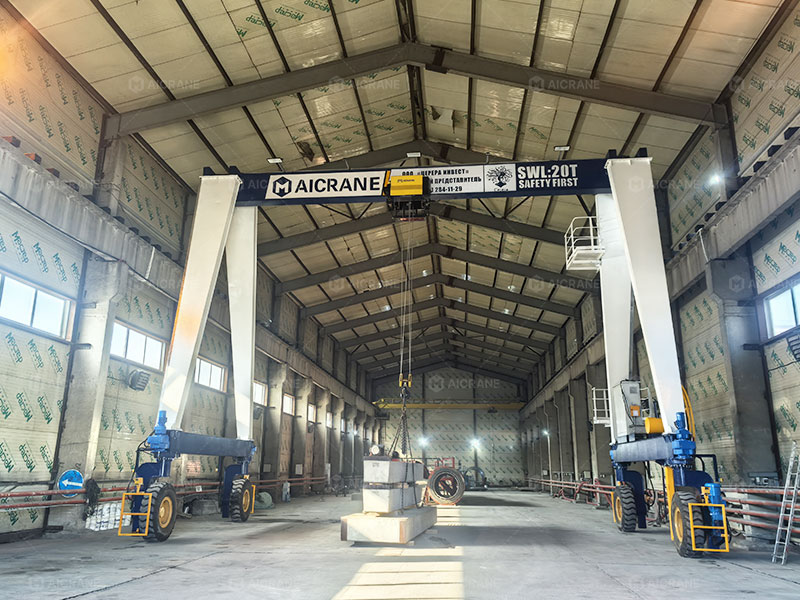
1. Structural Design & Steel Frame Fabrication
The steel structure represents the physical backbone of the RTG and typically accounts for 30% to 40% of the total manufacturing cost.
Material Grade and Steel Weight
RTGs must withstand immense static and dynamic stresses.
- Steel Selection: Gantry crane manufacturers use high-strength structural steel (such as Q355B/D or international equivalents like S355JR). The price of raw steel fluctuates globally, directly influencing the baseline cost.
- Structural Fatigue & Duty Class: Cranes designed for higher duty cycles (e.g., FEM 2m/3m or ISO A6/A7/A8) require thicker steel plates, internal box-girder stiffeners, and 100% non-destructive testing (NDT) on critical load-bearing welds to prevent fatigue cracking over a 20+ year lifespan.
Span and Lifting Dimensions
The physical dimensions of the crane dictate the volume of steel consumed.
- Industrial vs. Container Specs: While container RTGs conform to standard stacking configurations (e.g., 1-over-5 high, 6+1 rows wide), industrial RTGs are often highly customized. An RTG designed with an extra-wide span to straddle precast concrete casting beds or wind turbine blades requires heavily reinforced main girders and legs to prevent deflection under full load, exponentially increasing the structural cost.
2. Hoisting & Lifting Mechanisms (The Functional Core)
The hoisting system performs the primary lifting work. Depending on the intended application, this system contributes 15% to 25% of the overall equipment cost.
Hoisting System Configurations
The configuration of the hoisting mechanism varies significantly depending on whether the RTG is designed for standardized containers or highly customized industrial materials:
| Container RTG Setup | Industrial / Heavy-Duty RTG Setup |
|---|---|
| • Standard telescopic spreader (20ft/40ft/45ft) | • Standard hook blocks & custom load beams |
| • Twin-lift capability (handling two 20ft containers) | • High-capacity single, dual, or quad hooks |
| • Active micro-movement, skewing & trim controls | • Dual/quad hoist synchronization for long loads |
Components and Drive Quality
The mechanism comprises heavy-duty electric or hydraulic hoists, wire rope drums, high-tensile wire ropes, and heavy-duty planetary gearboxes (often sourced from premium brands like SEW, Flender, or Brevini to ensure operational reliability).
- Dual-Hoist Configurations: Industrial RTGs frequently require dual-hoist or quad-hoist configurations to lift exceptionally long loads (like bridge concrete girders or wind turbine towers) in perfect synchronization. This dual-redundant machinery nearly doubles the hoisting hardware cost compared to a single-hook configuration.
Specialized Below-the-Hook Attachments
- Container Yards: Telescopic hydraulic or electric spreaders equipped with twistlocks represent a significant technology cost.
- Industrial Yards: Specialized lifting beams, magnet lifters for steel plates, hydraulic clamps, or vacuum lifters must be engineered and integrated directly into the crane’s control system, driving up the customized attachment budget.
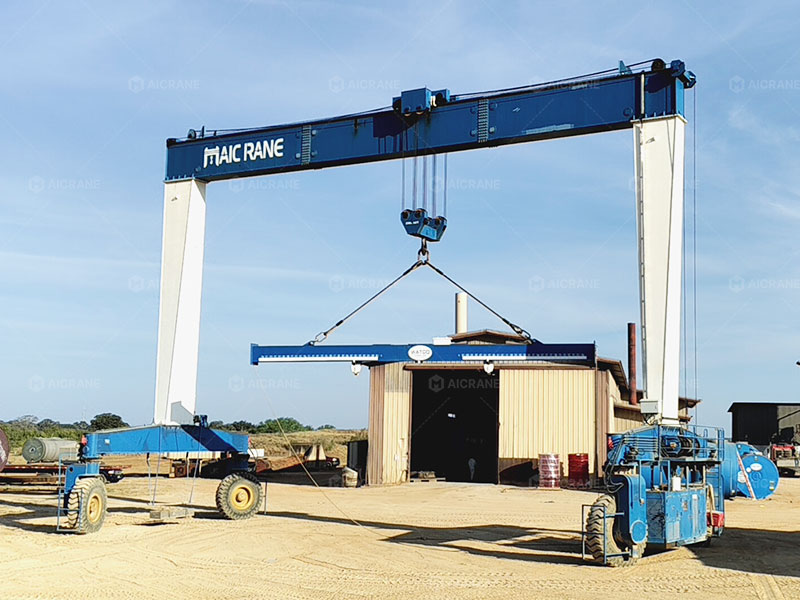
3. Traveling, Steering & Wheel Assemblies (Mobility Package)
The “rubber-tyred” distinction of the RTG is its primary selling point, but the mobility and steering systems are also major cost drivers.
- Wheel Configuration and Load Distribution: Depending on the soil bearing capacity of the yard, rubber wheeled gantry cranes are designed with 4, 8, 12, or 16 wheels. More wheels distribute the massive wheel loads more evenly, preventing yard pavement damage, but they require a far more complex structural gantry bogie system and additional drive motors.
- Steering Versatility: Basic systems offer simple 90-degree turning. Premium industrial and port systems integrate multi-directional steering (crab steering, carousel spin, diagonal travel, and auto-guidance). This level of maneuverability requires complex hydraulic power packs or independent electric steering actuators, which command a high premium.
- Tire Consumables: Heavy-duty, industrial-grade pneumatic or solid tires engineered for high load-carrying capacity and wear resistance in harsh environments are high-value components.
4. Power Supply & Energy Configurations
The power system choice dictates both the upfront CAPEX and the long-term operational expenditure (OPEX) of the crane.
- Diesel-Generator Sets: The traditional power choice. It offers maximum yard flexibility but is subject to fluctuating fuel costs and strict emissions regulations (e.g., Tier 4 Final/Stage V compliance, which requires expensive diesel particulate filters and urea injection systems).
- Grid-Connected Electric (E-RTG): Powered directly from the local electric grid using motorized cable reels or conductor busbars. While this reduces onboard engine costs and slashes energy/maintenance costs by up to 70%, it requires substantial external yard infrastructure investment.
- Hybrid Systems: Combining a smaller diesel engine with high-capacity lithium-ion battery packs or supercapacitors. The batteries absorb energy during lowering cycles (regenerative braking) and provide peak power during lifts. The Battery Management System (BMS) and bi-directional converters add $120,000 to $200,000 upfront, but typically achieve payback within a few years through 30-40% fuel savings.
5. Electrical Control Systems & Automation
Often referred to as the “brain” of the crane, the electrical suite and automation packages represent 10% to 20% of the crane’s value.
Variable Frequency Drives (VFD) and PLC
Heavy lifting requires ultra-smooth speed transition and precise positioning. High-performance Variable Frequency Drives (VFDs) and Programmable Logic Controllers (PLCs) (typically Siemens, ABB, or Schneider) manage the motor speeds and system synchronization.
- Active Front End (AFE): Premium VFD systems utilize AFE technology to capture regenerative energy when loads are lowered and feed it back into the power system, which represents a higher initial cost but reduces overall energy consumption.
Smart Safety & Assist Systems
- Anti-Sway Technology: Electronic or mechanical anti-sway systems are crucial for high-speed operation, preventing the load from swinging during trolley acceleration and deceleration.
- Industrial Automation: For industrial yards, laser-based or GPS-based positioning systems allow the crane to precisely locate and stack large components (such as concrete blocks or steel pipes) in designated yard grids, reducing human error.
6. Safety Systems & Regulatory Compliance
Operating heavy gantries involves high risk, making safety integration a non-negotiable cost factor. Standard safety packages include:
- Overload Protection: Electronic load cells that cut off lifting operations if the load exceeds rated capacity.
- Collision Avoidance: 2D or 3D LiDAR scanners and ultrasonic sensors to prevent collisions with other cranes, personnel, or stacked materials.
- Environmental Sensors: Wind speed anemometers with automatic alarms and rail clamps/storm-locking systems to secure the crane in high-wind conditions.
- Compliance Certification: Meeting local regulatory standards (such as CE, OSHA, FEM, CMAA, or local special-equipment regulatory codes) requires structural engineering reviews, certified weld testing, and official compliance documentation, which are built into the manufacturer’s pricing.
7. Logistics, Assembly & On-Site Commissioning
The RTG gantry crane price is only truly realized once it is fully assembled, tested, and certified on the buyer’s site.
- Heavy-Lift Ocean/Land Logistics: Due to their size, RTGs are either shipped fully assembled on specialized roll-on/roll-off (RoRo) heavy-lift vessels, or shipped in a knocked-down, modular state using standard flat racks and containers. The choice between high shipping costs (fully assembled) and high on-site assembly costs (modular) must be balanced based on the delivery location.
- Erection and Heavy Cranage: On-site assembly requires hiring high-capacity mobile cranes (typically 200-to-500-ton capacity) and expert field engineers to erect the legs and mount the main girders.
- Testing & Licensing: Dynamic load testing at 110% of rated capacity and static testing at 125% must be conducted on-site before third-party safety organizations can issue the official operating license.
| Cost Component | Typical Price Share | Key Cost Factors & Customizations |
|---|---|---|
| Steel Structure | 30% – 40% | Span width, lift height, duty class (A5 to A8), anti-corrosion coating |
| Hoisting System | 15% – 25% | Capacity (Tons), dual/quad hoists, standard or customized attachments |
| Traveling & Steering | 10% – 15% | Number of wheels (4 to 16), steering modes (90°, crab, carousel) |
| Power System | 10% – 20% | Diesel genset, battery hybrid, or electric (cable reel / busbar) |
| Electrical & Control | 10% – 15% | Automation level, anti-sway software, PLC/VFD brand quality |
| Logistics & Commissioning | 10% – 15% | Shipping distance, on-site heavy crane rentals, load testing |
Conclusion: Optimizing Your Investment
When evaluating quotations for an RTG crane, focusing solely on the lowest initial purchase price can lead to high maintenance costs and frequent operational downtime. By understanding these individual cost components, buyers can:
- Avoid Over-Engineering: If your yard operates on a single-shift basis, an ISO A5/A6 duty class is likely sufficient; paying for an A8 port-spec crane would be unnecessary capital expenditure.
- Plan for Future Upgrades: Even if you do not implement automation or full-electric power today, ordering an “Automation-Ready” or “E-RTG Ready” crane (with pre-installed mounting brackets, wiring channels, and expandable PLCs) avoids catastrophic modification costs down the road.
- Evaluate TCO: Invest in reputable, globally supported mechanical and electrical brands. The slightly higher initial acquisition cost is rapidly offset by the availability of spare parts, minimized downtime, and superior resale value at the end of the machine’s lifecycle.