Selecting the optimal cement mixer pump for coastal construction sites in the Philippines requires careful consideration of environmental, operational, and economic factors unique to these locations. The Philippine archipelago’s coastal regions present distinctive challenges including saltwater corrosion, high humidity, limited infrastructure, and variable power availability that significantly impact equipment performance and longevity. This comparative analysis examines electric and diesel-powered cement mixer pumps through the lens of Philippine coastal applications, providing practical guidance for contractors and project managers. Both power systems offer distinct advantages and limitations that become particularly pronounced in marine-influenced environments where equipment durability directly affects project costs and timelines. Understanding these differences enables informed decision-making that balances immediate operational needs with long-term equipment viability in demanding coastal conditions.
Environmental Durability and Corrosion Resistance
The primary consideration for Philippine coastal sites is environmental resilience against saltwater exposure and high humidity. Both electric and diesel mixer pumps require specific engineering adaptations to withstand corrosive marine atmospheres that accelerate equipment deterioration. Coastal environments demand specialized protection for electrical components, hydraulic systems, and structural elements regardless of power source. Manufacturers offering equipment for these applications typically provide enhanced corrosion protection packages that include stainless steel fittings, epoxy-coated electrical enclosures, and marine-grade paints. The constant presence of salt aerosols necessitates more frequent maintenance intervals and meticulous cleaning protocols to prevent premature failure of sensitive components.
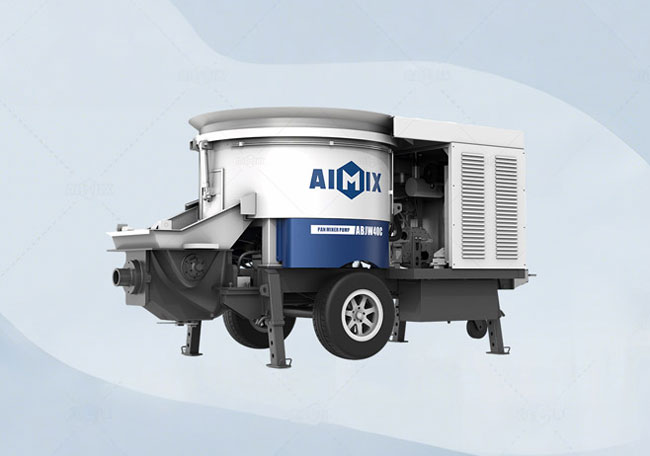
Electric mixer pumps present particular vulnerability in their electrical systems when deployed in coastal environments. Moisture ingress and salt deposition can compromise motor insulation, control panel integrity, and connection points unless specifically designed for harsh marine conditions. Proper sealing of electrical enclosures and use of corrosion-resistant contact materials becomes essential for reliable operation. Diesel-powered concrete pump with mixer for sale face different challenges with their combustion and exhaust systems, where salt air accelerates corrosion in engine components, fuel systems, and exhaust pathways. Both systems require diligent attention to protective measures, but the nature of potential failures differs significantly between the two technologies, influencing maintenance strategies and operational reliability in remote coastal locations.
Power Infrastructure and Operational Flexibility
Power availability fundamentally determines the practical viability of electric mixer pumps on Philippine coastal sites. Many coastal development areas, particularly in emerging tourist destinations and remote communities, lack consistent three-phase electrical infrastructure necessary for operating industrial electric pumps. Even when grid connections exist, voltage fluctuations and intermittent service common in Philippine provincial areas can damage sensitive electric pump components and disrupt concrete placement operations. Diesel-powered units offer complete operational autonomy, functioning independently of local power grids and providing consistent performance regardless of electrical infrastructure limitations. This independence proves particularly valuable during critical placement operations where workflow interruptions can compromise concrete integrity and structural quality.
The mobility requirements of coastal projects further influence power source selection. Projects involving multiple pour locations along a coastline, or sites with challenging terrain access, benefit from the self-contained nature of diesel-powered equipment. Electric pumps tethered to fixed power sources or large generators experience reduced mobility and setup flexibility. For projects with reliable three-phase power and concentrated placement areas, electric pumps can deliver superior performance consistency with fewer moving parts requiring maintenance. The decision ultimately depends on specific site conditions, with diesel providing greater adaptability for geographically dispersed coastal projects and electric systems offering advantages for sites with stable industrial power infrastructure and centralized operations.
Economic Considerations and Total Cost of Ownership
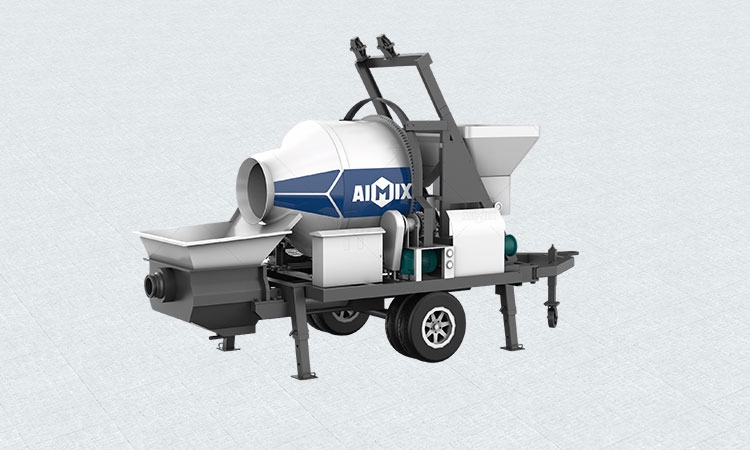
Financial analysis for coastal projects must extend beyond initial purchase prices to encompass total operational expenditures across the equipment lifecycle. Electric mixer pumps typically demonstrate lower per-hour operating costs in regions with stable, affordable electricity rates, as they avoid the ongoing fuel expenses of diesel operation. However, the infrastructure investment required for electrical installations at remote coastal sites can substantially offset these operational savings. Diesel units incur higher fuel costs but offer quicker deployment without significant auxiliary infrastructure investments. The economic equation shifts considerably when factoring in the accelerated maintenance schedules and component replacement costs necessitated by coastal environmental conditions.
Long-term equipment viability presents another crucial financial dimension. Diesel engines in marine environments require more frequent maintenance of air intake systems, fuel injectors, and cooling systems to combat salt-induced corrosion. Electric motors and control systems demand enhanced protection and more rigorous inspection protocols. The resale value of equipment used in coastal applications often suffers regardless of power source, though properly maintained diesel equipment typically retains better residual value in the Philippine market due to its broader applicability across varying site conditions. Project duration and equipment utilization rates significantly impact the financial calculus, with longer-term projects potentially justifying the infrastructure investments for electric power, while shorter duration projects typically favor the operational flexibility of diesel-powered equipment.
Performance Characteristics and Application Suitability
Operational performance differences between electric and diesel mixer pumps manifest distinctly in coastal applications. Diesel-powered units generally deliver higher torque at lower revolutions, providing advantages when pumping over longer distances or to greater heights frequently required in coastal developments with multi-story structures. The consistent power output of diesel engines proves valuable when processing variable concrete mixes, a common occurrence in provincial areas where aggregate quality and consistency may fluctuate. Electric mini concrete pumps offer smoother, more consistent operation with less vibration, potentially reducing wear on pumping components and pipeline systems. Their quieter operation presents environmental benefits for coastal projects near residential or tourist areas where noise pollution regulations may apply.
Climate considerations further differentiate performance suitability. Diesel engines generate substantial waste heat that can be advantageous for drying electrical components in high-humidity environments, though this same heat production increases thermal stress on nearby components. Electric motors operate at lower temperatures but may require additional dehumidification measures in control panels and connection boxes. The pumping performance itself shows minimal difference between properly sized electric and diesel units, but the power delivery characteristics influence how equipment handles the inevitable variations in concrete mix consistency and placement demands characteristic of Philippine coastal construction projects. Understanding these nuanced performance differences enables selection of equipment that best matches specific project requirements and site constraints.
Maintenance Protocols and Service Accessibility
Maintenance requirements diverge significantly between electric and diesel systems in corrosive coastal environments. Diesel-powered mixer pumps demand rigorous adherence to engine maintenance schedules with particular attention to air filtration, fuel system integrity, and cooling system protection. Salt air quickly contaminates engine oil and damages air filters, necessitating more frequent fluid changes and filter replacements than inland applications. Fuel quality issues common in provincial Philippine areas further complicate diesel maintenance, requiring additional filtration and careful fuel sourcing. Electric systems eliminate these combustion-related maintenance concerns but introduce different vulnerabilities in electrical insulation, connector corrosion, and moisture protection that demand equally vigilant attention.
Service accessibility in remote coastal locations presents practical challenges for both technologies. Diesel mechanics with expertise in construction equipment are generally more widely available throughout the Philippine archipelago than technicians specializing in industrial electric pump systems. Parts availability for common diesel engines typically exceeds that for specialized electric pump components, particularly in provincial areas distant from major metropolitan centers. This service infrastructure reality often influences technology selection, as equipment downtime waiting for specialized technicians or imported parts can devastate project schedules in time-sensitive coastal developments. Establishing proactive maintenance partnerships and ensuring adequate spare parts inventories before equipment deployment becomes essential regardless of power system choice, but assumes greater importance for electric systems in geographically isolated coastal locations.
Regulatory Compliance and Environmental Impact
Philippine environmental regulations governing coastal construction activities continue to evolve, increasingly influencing equipment selection decisions. Diesel-powered equipment faces growing scrutiny regarding emissions, particularly in protected coastal areas and developing tourism zones. Modern Tier 4 diesel engines incorporate advanced emissions controls that reduce particulate matter and nitrogen oxides, but these systems introduce additional complexity and maintenance requirements. Electric concrete pump for sale Philippines produces zero direct emissions at point of use, offering advantages for projects in environmentally sensitive coastal areas or developments marketing sustainability as a project feature. The indirect emissions associated with electricity generation depend on the regional power mix, varying significantly between Philippine islands with different primary energy sources.
Noise pollution regulations represent another consideration for coastal projects, particularly in tourist destinations and near residential communities. Electric mixer pumps operate significantly quieter than their diesel counterparts, reducing noise footprint on sensitive sites. This acoustic advantage must be balanced against the visual impact of necessary power infrastructure, as temporary power lines and large generators can detract from coastal vistas. Local permitting requirements may favor one technology over another depending on specific municipal regulations and the environmental sensitivity of the project site. Forward-looking contractors consider not only current regulations but emerging trends in Philippine environmental policy that may affect equipment viability throughout the project lifecycle and beyond.
Strategic Selection Framework for Coastal Projects
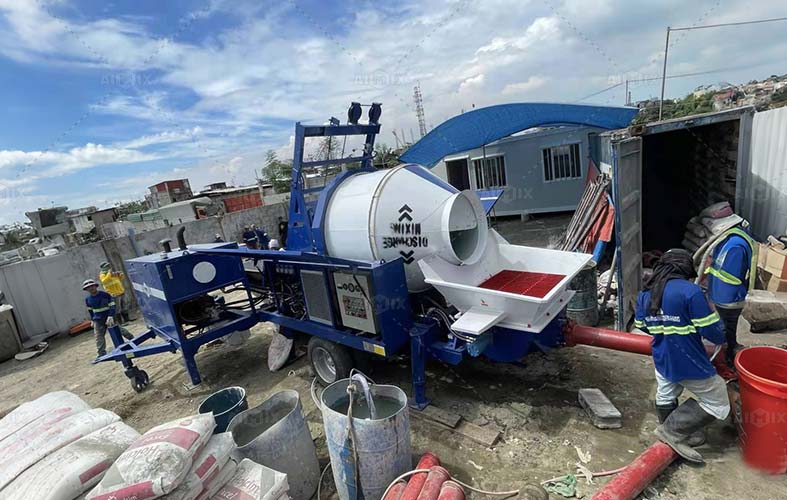
Developing a systematic selection process for Philippine coastal projects requires evaluating multiple decision factors in proper priority. Begin with assessment of power infrastructure availability and reliability at the specific project site, as this foundational element determines the basic feasibility of electric pump operation. Next, evaluate the project’s geographical characteristics, including site dispersion, terrain challenges, and mobility requirements that influence equipment deployment flexibility. Consider the project timeline and concrete placement schedule, as longer duration projects may justify infrastructure investments for electric power while shorter projects benefit from diesel’s rapid deployment capabilities. Environmental sensitivity and regulatory constraints form another critical filter, particularly for projects in protected coastal zones or developing tourism areas with stringent development controls.
Financial analysis should encompass the complete project lifecycle rather than focusing solely on equipment purchase price. Calculate total cost of ownership including anticipated maintenance, repair, and component replacement costs accelerated by coastal conditions. Factor in infrastructure requirements for each option, whether electrical installations for electric pumps or fuel storage and handling systems for diesel equipment. Consider productivity impacts of each system, accounting for potential downtime from power interruptions with electric systems versus maintenance requirements for diesel systems. Evaluate available local service networks and parts inventories for each technology, as support accessibility significantly affects operational reliability in remote coastal locations. This comprehensive assessment framework enables selection of equipment that delivers optimal balance of performance, reliability, and economic efficiency for the specific challenges of Philippine coastal construction projects.