Remote island projects in Maluku, Indonesia always bring a different level of complexity for contractors. Transportation is limited, logistics are unstable, and ready-mix concrete supply often depends on weather and sea conditions. Because of this, many project owners start to rethink how they produce concrete on-site instead of relying completely on external suppliers.
In this situation, a 35 m³/h mobile solution becomes an attractive option. But the real question is not only about capacity. It is about whether the system can keep up with continuous island construction demands while staying flexible and cost-efficient.
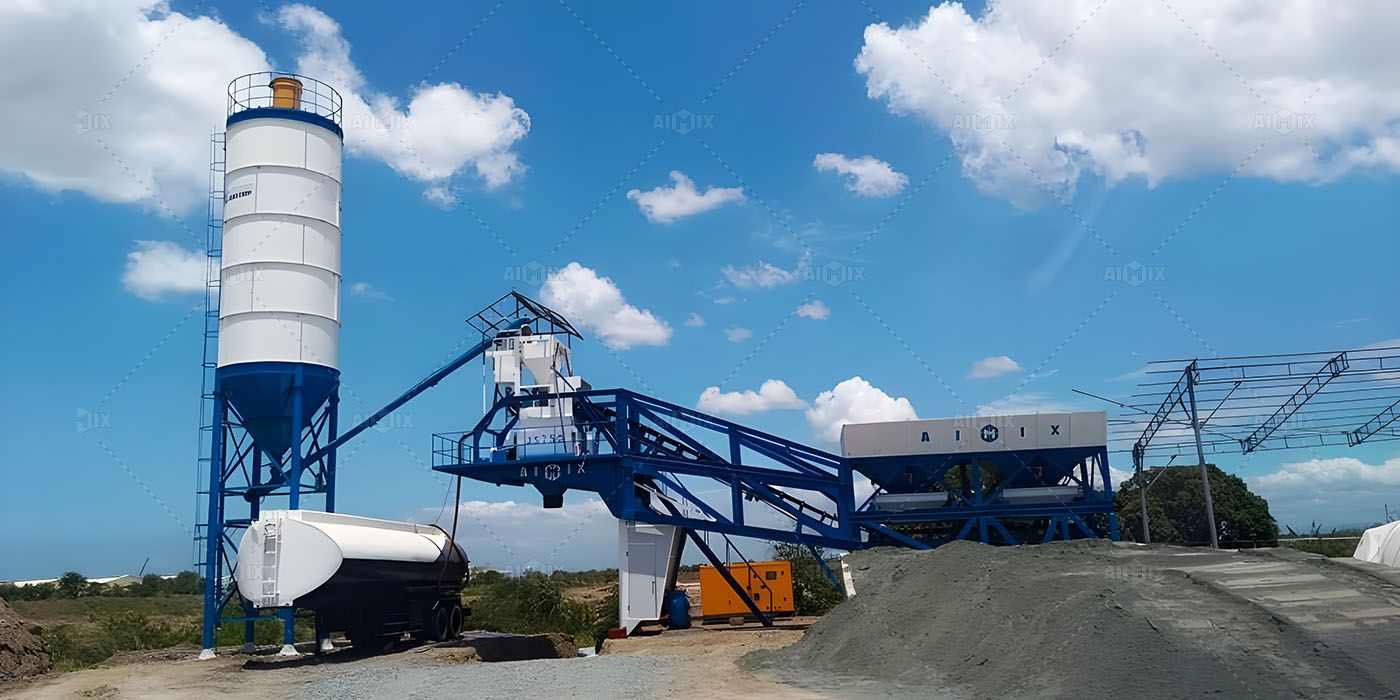
Why Island Projects in Maluku Need On-Site Concrete Production
Before choosing equipment, contractors must first understand the construction environment in Maluku. Projects are often spread across different islands, which increases transportation time and risk. In addition, unexpected delays in ferry schedules can stop concrete delivery completely.
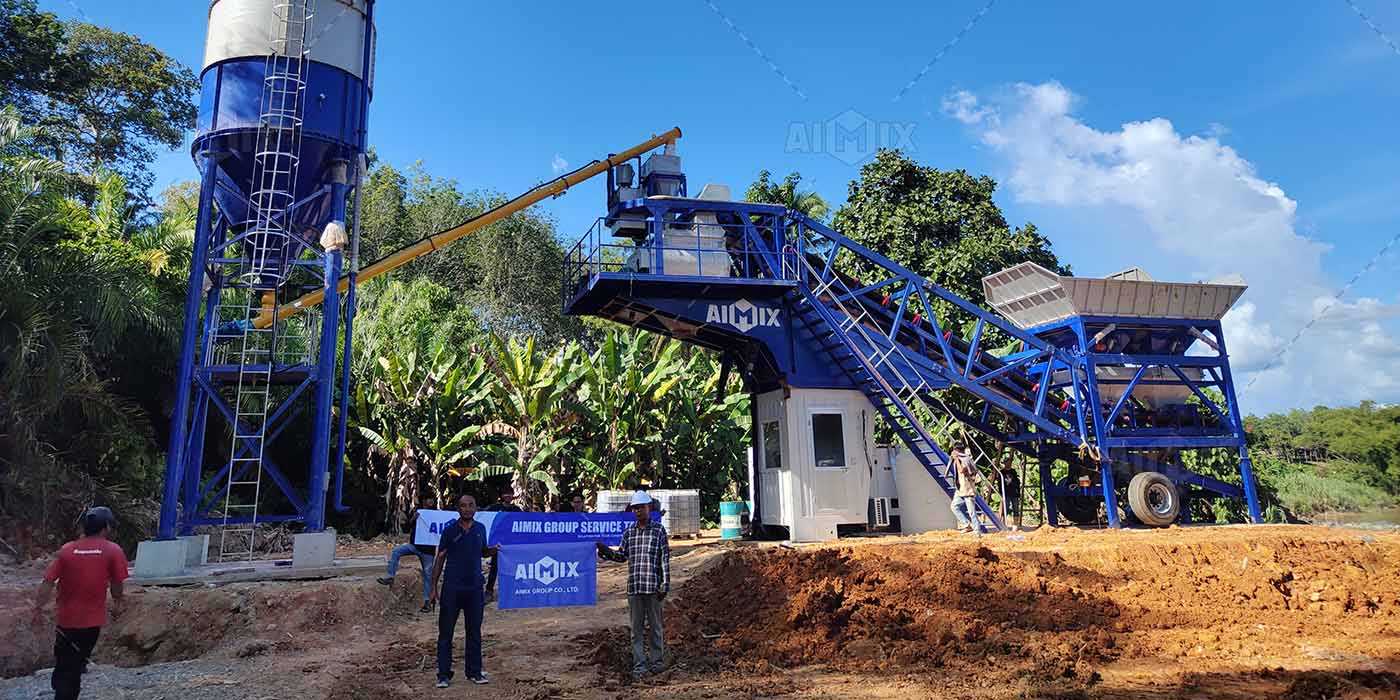
Therefore, relying only on external supply can create serious bottlenecks. This is where on-site production becomes more important. A mobile system such as a mobile batching plant helps contractors gain independence from unstable supply chains and gives them direct control over production timing.
Once contractors shift to on-site mixing, the next question becomes: what size plant is actually suitable for these island projects?
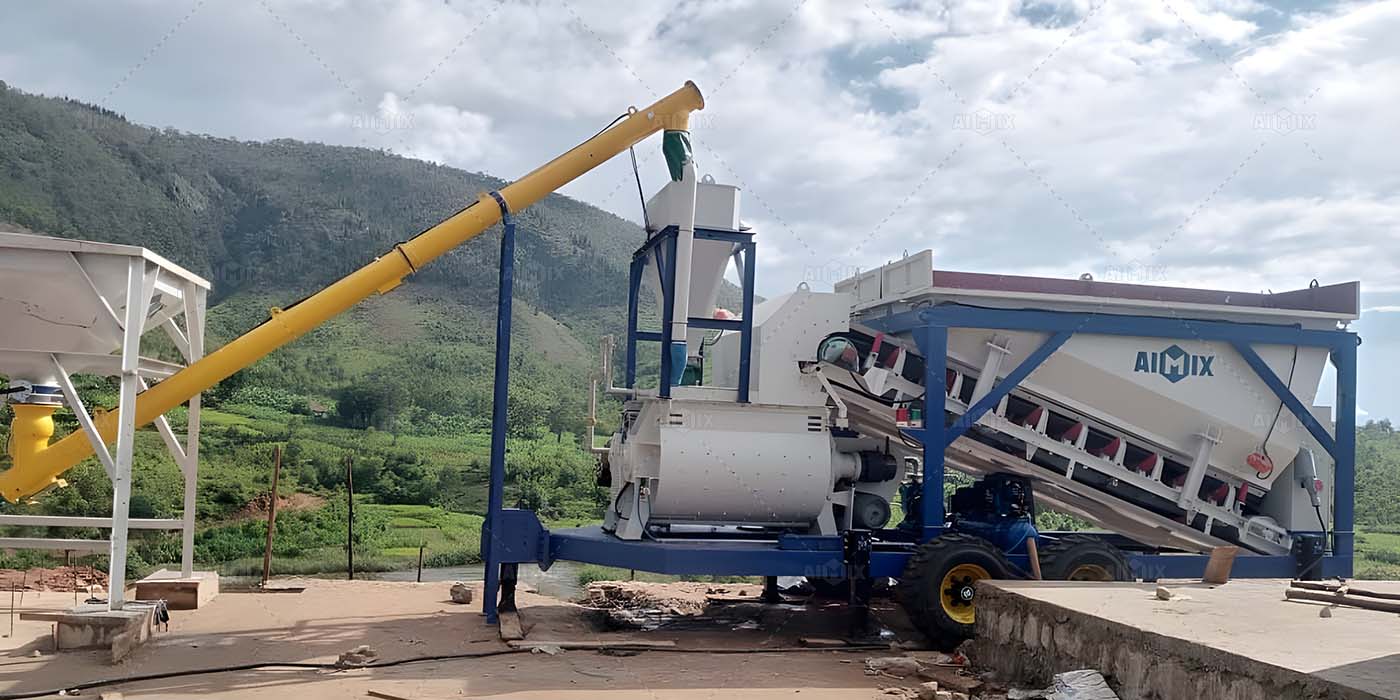
Is 35 m³/h Capacity Suitable for Remote Construction Work?
A 35 m³/h output is often seen as a medium-small production level. However, in remote island construction, this capacity is often more practical than large-scale plants. Most projects in Maluku are not mega highways or massive urban developments. Instead, they include housing, port facilities, small bridges, and local roadworks.
For these applications, steady production matters more than extreme output. A 35 m³/h system can typically support daily needs without overloading the site logistics. In fact, many contractors prefer stable output over high peak capacity because it reduces waste and improves scheduling accuracy.
To better understand this scale, we also need to look at different plant types available for various project sizes.
Flexible Options for Different Project Scales
Depending on project size, contractors can choose between different configurations. For example, a mini batch plant is often used for very small jobs such as housing clusters or repair works. Meanwhile, a small batch plant can handle slightly larger but still localized projects.
These options show that the 35 m³/h level sits in a balanced position. It is strong enough for continuous work, yet still flexible enough for remote relocation.
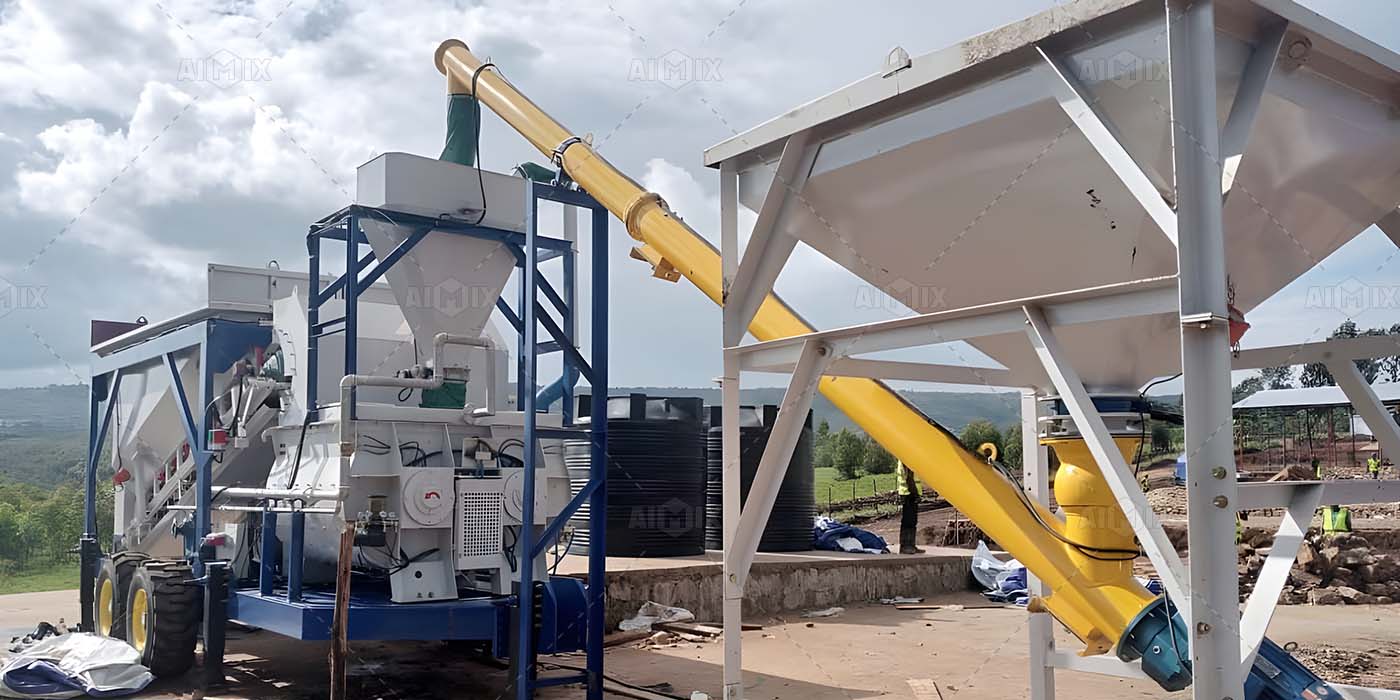
Mobility and Installation Advantages in Island Conditions
In Maluku, mobility is not just a feature—it is a necessity. A fixed plant would require heavy civil foundation work and stable infrastructure, which is often not available on remote islands. In contrast, mobile systems can be transported in modular units and assembled much faster.
This is where the concept of a mesin batching plant becomes highly practical. It integrates batching, mixing, and weighing systems into a transportable structure, allowing contractors to relocate based on project needs.
Moreover, faster installation means less downtime. Contractors can start production quickly after arrival, which is extremely important when project timelines are tight and weather conditions are unpredictable.
After mobility, the next important factor is operational consistency under real working conditions.
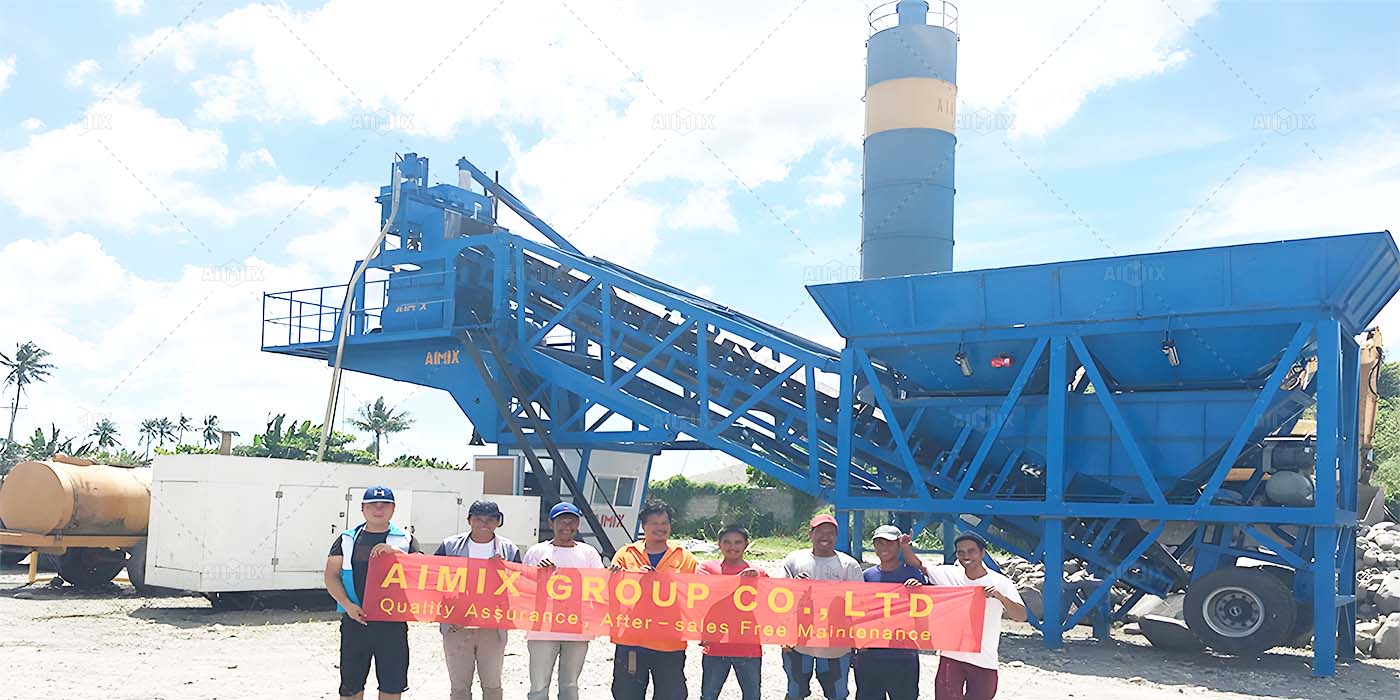
Operational Stability and Real Project Efficiency
In remote island environments, equipment stability is often more valuable than theoretical performance numbers. A 35 m³/h mobile plant is designed for consistent operation rather than short bursts of maximum output.
This consistency helps contractors plan daily pouring activities more accurately. It also reduces idle time for workers and equipment, which directly improves overall project efficiency.
In addition, stable production helps maintain concrete quality. Since materials are mixed on-site, contractors can better control water content, aggregate quality, and mixing time based on real conditions rather than relying on delayed deliveries.
Better Control Over Cost and Logistics
Another important advantage is cost control. Transporting ready-mix concrete between islands often increases fuel costs and risks material loss. By producing concrete on-site, contractors can reduce these repeated expenses.
At the same time, they can avoid delays caused by shipping schedules. This leads to more predictable project timelines and better financial planning.
Final Thoughts: Is It the Right Choice for Maluku Projects?
A 35 m³/h small batch plant is not designed for mega-scale urban projects. However, for remote island construction in Maluku, it offers a very balanced solution between capacity, mobility, and operational stability.
It allows contractors to produce concrete directly on-site, reduce dependency on external supply chains, and maintain steady progress even in challenging logistics conditions. Most importantly, it gives full control back to the project team.
In many cases, success in island construction is not about using the biggest equipment. It is about choosing a system that matches real site conditions and keeps the project moving without interruption.
If you are planning a construction project in Maluku or other remote islands in Indonesia, now is the right time to evaluate how a mobile batching solution can improve your efficiency, reduce risk, and support long-term project success.