Investing in the construction sector in South America is a strategic move, particularly in stable economies like Chile. As infrastructure projects expand from Santiago to the remote mining regions of the north, the demand for high-quality, on-site concrete production has never been higher. For many entrepreneurs and construction firms, the primary question is not whether to buy equipment, but how quickly that equipment will pay for itself. Understanding the Return on Investment (ROI) for concrete plants in Chile(plantas de hormigón en Chile) requires a detailed look at capital expenditure, operational costs, and the current market price of “ready-mix” versus “self-produced” concrete.
Initial Investment: Breaking Down the Costs
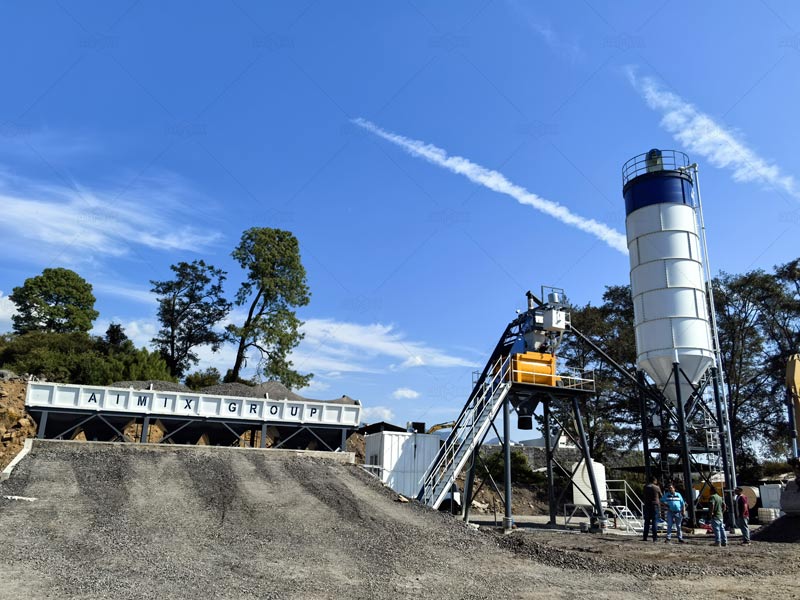
The first step in calculating the recoupment period is determining the total initial investment. A medium-sized plant typically offers a production capacity of 60m³ to 90m³ per hour, which is the “sweet spot” for regional infrastructure and mid-sized residential projects. When searching for a concrete plant for sale(venta de planta de hormigón), an investor must look beyond the sticker price of the machinery.
Machinery and Shipping
A high-quality medium-sized plant can range from $80,000 to $150,000 depending on the level of automation and the brand. However, importing these units to Chilean ports like San Antonio or Valparaíso involves freight costs, insurance, and import duties. Fortunately, Chile’s open-trade policies often lower these barriers, but the “landed cost” usually adds 15-20% to the initial purchase price.
Site Preparation and Foundation
Unlike a mini concrete plant, which might be mobile and require minimal setup, a medium-sized stationary plant needs a solid concrete foundation, water supply systems, and electricity infrastructure. In Chile, where seismic standards are among the strictest in the world, the civil engineering work for the plant foundation must be robust, adding a significant but necessary cost to the initial budget.
Operational Expenses: The Daily Drain
To find the breakeven point, you must calculate the “cost per cubic meter” produced. In Chile, the primary drivers of operational cost are raw materials (cement, aggregates, and additives), labor, and energy.
Raw Material Procurement
The cost of cement in Chile is relatively stable but can fluctuate based on transport distances. By producing concrete in-house with your own concrete plant, you bypass the profit margins added by third-party ready-mix suppliers. In many cases, the raw material cost to produce 1m³ of concrete is 25% to 35% lower than buying it pre-mixed.
Labor and Maintenance
A medium-sized plant typically requires an operator, a loader driver, and a maintenance technician. Chilean labor laws and safety regulations mean that high-quality training is essential. While these costs are higher than what you might find for concrete plants in Colombia, the higher efficiency and safety standards in Chile often lead to lower long-term maintenance costs and fewer expensive work stoppages.
Revenue Generation and Savings Potential
The speed of recouping your investment depends on two factors: the volume of concrete used for your own projects (savings) or the volume of concrete sold to external clients (revenue).
The “Savings” Model
If a construction company uses its own plant for its internal projects, the ROI is calculated by the difference between the cost of buying ready-mix and the cost of self-production. If the market price for concrete in Santiago is $120 per m³ and the internal production cost is $85 per m³, the company “saves” $35 per m³. At a modest production of 2,000m³ per month, the company saves $70,000 monthly, allowing for a very rapid recoupment of the machinery cost.
The “Commercial” Model
When operating as a supplier, the margins may be tighter due to marketing and delivery logistics. However, with the boom in Chilean public works, a well-placed concrete plant for sale converted into a commercial operation can maintain high utilization rates. High utilization is the “secret sauce” for ROI; a plant running at 60% capacity will pay for itself twice as fast as one running at 30%.
Estimated Recoupment Timeline in the Chilean Market
Based on current market data for concrete plants in Chile, here is a typical timeline for a medium-sized plant:
- Optimistic Scenario (High Utilization): If the plant is tied to a major project (like a bridge or a large housing complex) and operates consistently, the investment can be recouped in **8 to 14 months**.
- Standard Scenario (Mixed Use): With a combination of internal projects and some external sales, the average recoupment period is **18 to 24 months**.
- Conservative Scenario (Intermittent Use): For companies that only use the plant for occasional small projects, it may take **3 to 4 years**. In these cases, it might have been more economical to invest in a mini concrete plant(invierta en una mini planta de concreto) initially.
Regional Comparisons: Chile vs. Colombia
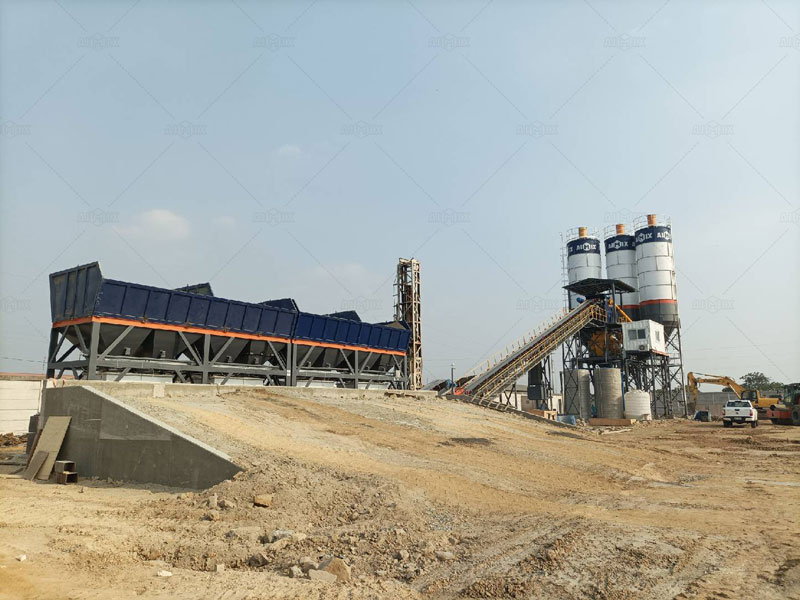
Investors often look at concrete plants in Colombia(busca plantas de concreto en Colombia) as a benchmark for comparison. While the initial setup costs in Colombia might be lower due to cheaper labor and land, Chile offers a more stable regulatory environment and higher concrete market prices. This higher price point in Chile often leads to a faster ROI despite the higher initial “barrier to entry” in terms of setup costs and regulatory compliance.
Factors That Can Delay Your ROI
To ensure you stay on the fast track to profit, avoid these common pitfalls:
- Inadequate Maintenance: A single week of downtime during peak season can push your ROI back by a month.
- Poor Site Selection: If your plant is too far from the aggregate source or the job site, transport costs will eat your margins.
- Underestimating Electricity Costs: Chile has specific peak-hour energy pricing; operating the plant during off-peak hours can significantly improve your bottom line.
Is It Worth the Investment?
For any serious construction player in the region, the answer is usually a resounding yes. The ability to control the quality and timing of your concrete supply is an intangible benefit that translates directly into project speed and reliability. With a calculated approach to selecting a concrete plant for sale and a focus on high utilization, most Chilean businesses can expect to see their equipment paying for itself in under two years. In a market as competitive as Chile’s, that speed of recovery provides the liquidity needed to move on to the next big project.